 KENNICE TOURS LIMITED
Sheldrick Wildlife Trust
A world-renowned elephant orphanage in Nairobi dedicated to rescuing and rehabilitating orphaned baby elephants and rhinos, offering visitors a chance to learn about conservation and watch feeding sessions.
Wildlife and highlights
African elephants (orphaned calves)
These are young elephants that have been separated from their mothers at a very early age. This usually happens because of poaching, human–wildlife conflict, drought, or accidental separation during migration.
At Sheldrick Wildlife Trust, each calf is assigned a dedicated human “keeper” who becomes its surrogate family. The calves are bottle-fed special milk formulas every 2–3 hours, especially during the first months when they cannot survive on solid food.
As they grow, they begin to:
Form social bonds with other orphaned elephants Learn natural feeding behaviors (browsing leaves, grasses, bark) Develop herd communication skills like rumbling and trunk interaction
The ultimate goal is rehabilitation back into the wild, usually inside protected areas like national parks where they can integrate with wild elephant herds.
Occasionally rhinos under rehabilitation
Rhinos are rarely rescued compared to elephants, but when they are, it is usually due to poaching injuries, maternal loss, or abandonment.
These rhinos require:
Intensive veterinary care (wound treatment, antibiotics, and monitoring) Secure enclosures due to high poaching risk Constant supervision because young rhinos are highly vulnerable and easily stressed
Unlike elephants, rhinos are more solitary, so their rehabilitation focuses on stability, safety, and gradual rewilding rather than social herd integration.
Other rescued wildlife under care programs
Although elephants are the main focus, the sanctuary occasionally supports other wildlife depending on rescue situations. These may include:
Antelopes or small herbivores injured in road accidents or snares Baby animals abandoned due to habitat disruption Wildlife displaced by human settlement expansion
Each animal goes through a structured process:
Rescue and emergency stabilization Veterinary treatment and nutrition recovery Behavior rehabilitation (reducing human dependency) Release back into protected ecosystems when possible
Best time to visit
Morning visiting hours (best for feeding sessions and interaction) Year-round access, but dry seasons (June–October, January–February) offer easier travel conditions
Travel tips
Book in advance (visitor slots are limited and timed) Arrive early for best viewing experience Bring a camera for feeding sessions Respect conservation rules (no touching animals) Combine visit with Nairobi National Park for a full-day safari experience
Recommended tours
Tour ideas that pair well with this destination.
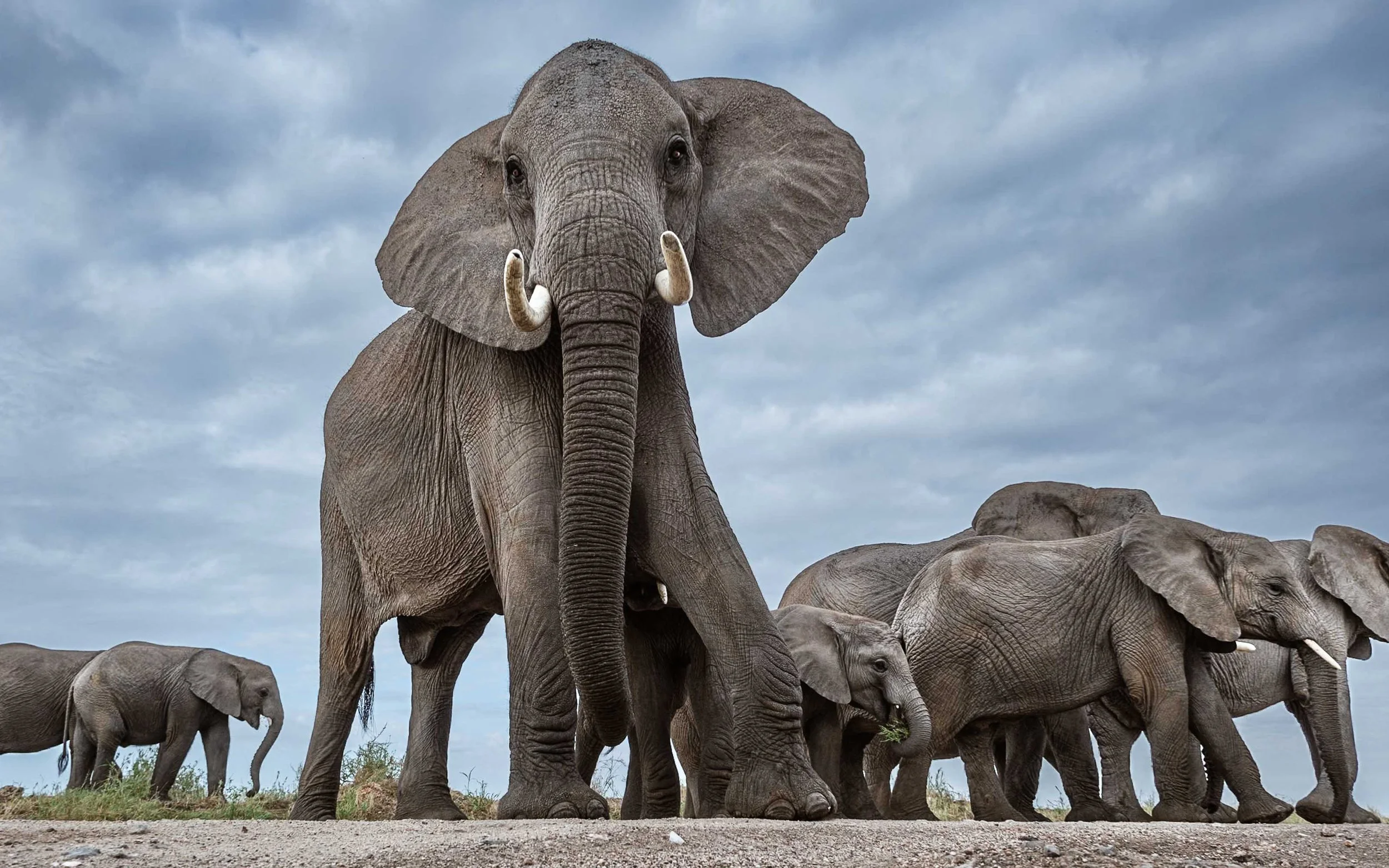
4 Day Amboseli and Nairobi Safari
Short Kenya safari featuring elephants in Amboseli and a cultural day in Nairobi.
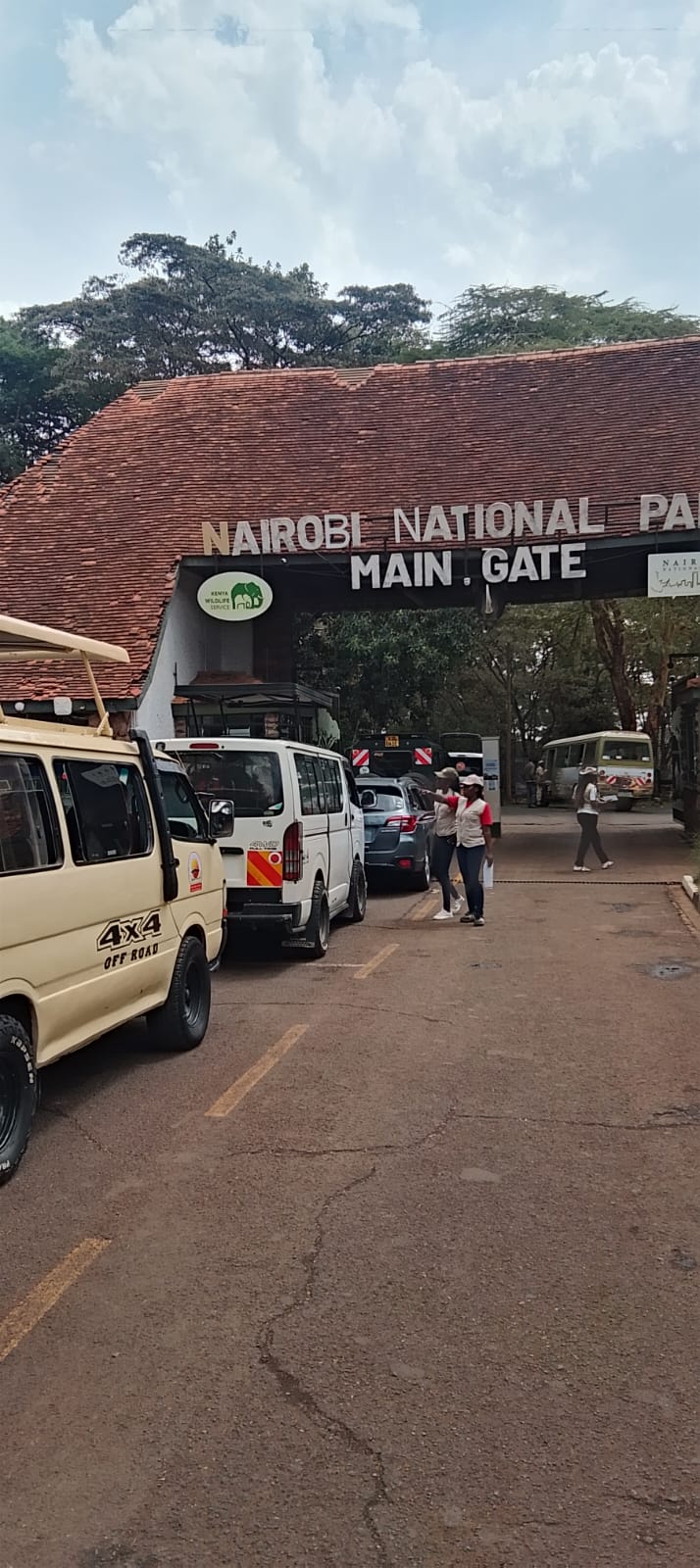
4 Day Nairobi to Maasai Mara Safari Itinerary
A 4-day safari from Nairobi to Maasai Mara featuring game drives, Big Five wildlife viewing, Maasai cultural visit, and top Nairobi attractions including Nai...
Safari Guides
Useful planning articles related to this destination.