 KENNICE TOURS LIMITED
Ol Pejeta Conservancy
Ol Pejeta Conservancy is one of Kenya’s leading wildlife and conservation destinations, famous for rhino conservation, chimpanzee rescue programs, luxury safari experiences, and exceptional Big Five wildlife viewing near Mount Kenya.
Wildlife and highlights
Ol Pejeta Conservancy is one of the most remarkable wildlife conservation areas in East Africa and has become a global symbol of modern conservation success. Located in the Laikipia region between the foothills of Mount Kenya and the Aberdare ranges, the conservancy covers vast open plains, acacia woodlands, wetlands, and river ecosystems that support an extraordinary diversity of wildlife. Unlike many traditional safari parks, Ol Pejeta combines wildlife protection, community empowerment, scientific research, livestock management, and sustainable tourism into one integrated conservation model that attracts travelers from around the world.
For many visitors arriving from Nairobi, the journey itself begins to reveal the changing beauty of Kenya’s landscapes. The drive north passes through lush agricultural highlands before opening into the dramatic plains of Laikipia. As travelers approach the conservancy, the snow-capped peaks of Mount Kenya often appear in the distance, creating one of the most beautiful safari backdrops in the country. The cooler climate and sweeping scenery make Ol Pejeta feel distinct from Kenya’s southern parks.
One of the biggest reasons travelers visit Ol Pejeta is its incredible rhino conservation program. The conservancy is home to the largest black rhino sanctuary in East Africa and protects a significant population of endangered species under strict security measures. Visitors have the rare opportunity to see both black and white rhinos in large numbers during game drives. Ol Pejeta also gained international attention for protecting the last two remaining northern white rhinos in the world. Guided visits to the protected enclosure allow travelers to learn about the conservation crisis surrounding endangered wildlife and the global efforts being made to save species from extinction.
The conservancy is also home to the Sweetwaters Chimpanzee Sanctuary, the only place in Kenya where visitors can see rescued chimpanzees. The sanctuary was established to provide a safe home for chimpanzees rescued from illegal wildlife trade, abuse, and habitat destruction across Africa. Watching these intelligent animals interact, play, and recover in a protected environment adds a deeply emotional and educational element to the safari experience. For many travelers, this becomes one of the most memorable highlights of their visit.
Wildlife viewing in Ol Pejeta is exceptional throughout the year. The conservancy supports the Big Five including lions, elephants, leopards, buffaloes, and rhinos, while also hosting cheetahs, hyenas, jackals, giraffes, zebras, hippos, gazelles, and hundreds of bird species. Because the conservancy carefully manages wildlife populations and habitats, sightings are often frequent and rewarding even during shorter safaris. Early morning game drives are especially beautiful as golden sunlight spreads across the plains and predators remain active before the heat of the day.
Ol Pejeta is also one of the few places in Kenya where night game drives are possible. After sunset, the conservancy transforms into a completely different wilderness experience. Spotlights reveal elusive nocturnal species such as aardwolves, bush babies, porcupines, civets, and hunting predators moving silently through the darkness. These night drives create a thrilling contrast to daytime safaris and allow visitors to experience the African wilderness from another perspective.
The conservancy’s landscapes are incredibly photogenic and varied. Open savannahs are interrupted by riverine forests, marshes, rocky hills, and watering points where animals gather throughout the day. During the rainy season, the plains turn lush green and dramatic skies create spectacular photography opportunities. In the dry months, golden grasslands and dusty wildlife scenes provide the classic safari atmosphere many travelers dream about.
Accommodation options inside and around Ol Pejeta range from luxury tented camps and boutique lodges to comfortable mid-range safari camps. Many properties overlook waterholes or wildlife corridors, allowing guests to enjoy animal sightings directly from their rooms or dining areas. Evening campfires, bush dinners, sundowners, and guided nature walks add to the immersive safari atmosphere.
What makes Ol Pejeta truly special is the sense that every safari experience contributes to something bigger. Tourism revenue directly supports conservation programs, anti-poaching operations, local community projects, and wildlife research. Visitors leave not only with unforgettable safari memories but also with a deeper understanding of the importance of protecting Africa’s wildlife heritage for future generations.
Wildlife: Ol Pejeta Conservancy is internationally recognized for its rhino population and conservation programs. Black rhinos are among the main attractions, often seen grazing across open plains or resting near watering holes. White rhinos are also commonly spotted during game drives, offering excellent photography opportunities due to their calmer behavior and visibility.
The conservancy is one of the few places in Africa where visitors can learn about the northern white rhinos, the world’s rarest rhino subspecies. These animals live under constant protection and symbolize global conservation efforts against extinction.
Lions are frequently seen in Ol Pejeta, particularly during early morning and evening drives when they become more active. Leopards are more elusive but are regularly spotted near riverine forests and rocky areas. Cheetahs patrol the open plains searching for antelope prey while spotted hyenas roam widely across the conservancy.
Large elephant herds move through the area throughout the year, especially near water sources during dry seasons. Buffaloes, giraffes, zebras, elands, impalas, waterbucks, and warthogs are also abundant and form an important part of the ecosystem.
The Sweetwaters Chimpanzee Sanctuary remains one of the conservancy’s most unique wildlife experiences. Visitors observe rescued chimpanzees living in protected forested enclosures while learning about illegal wildlife trade and primate conservation.
Birdlife is impressive with over 300 recorded bird species. Visitors may see African fish eagles, kingfishers, ostriches, vultures, hornbills, weavers, and various raptors throughout the conservancy.
Best time to visit
Ol Pejeta Conservancy is a year-round safari destination, but the best wildlife viewing is generally during the dry seasons from June to October and January to March. During these months, vegetation becomes thinner and animals gather near water sources, making sightings easier and more frequent.
June to October is considered peak safari season in Kenya. Days are usually sunny with cool mornings and evenings, creating comfortable safari conditions. Wildlife photography is excellent because of the clear skies, golden light, and reduced vegetation cover.
January to March is another excellent period for visiting Ol Pejeta. The weather is warm and relatively dry, and the landscapes remain beautiful after short rains. This season is especially popular among photographers due to dramatic lighting conditions and fewer crowds compared to peak migration months elsewhere in Kenya.
The rainy seasons occur mainly from March to May and again during November. Although roads can occasionally become muddy, these months bring lush green scenery, fewer tourists, and beautiful landscapes. Birdwatching is particularly rewarding during the rainy periods as migratory bird species arrive in the region.
Travel tips
Pack neutral-colored clothing such as khaki, green, beige, or brown to blend naturally with the environment during game drives. Bright colors may disturb wildlife or attract insects.
Carry warm layers for early morning and evening game drives because temperatures in Laikipia can become surprisingly cool, especially during June and July.
A good camera with zoom capabilities is highly recommended because Ol Pejeta offers exceptional wildlife photography opportunities including rhinos, predators, and birds.
Binoculars greatly enhance the safari experience by allowing visitors to observe distant wildlife behavior and bird species more closely.
Travelers should carry sunscreen, sunglasses, hats, and insect repellent for protection during outdoor activities.
Booking accommodation early is important during peak travel months because Ol Pejeta is one of Kenya’s most popular conservation safari destinations.
Visitors interested in conservation experiences should allocate enough time for the chimpanzee sanctuary, rhino encounters, and educational activities offered within the conservancy.
Recommended tours
Tour ideas that pair well with this destination.
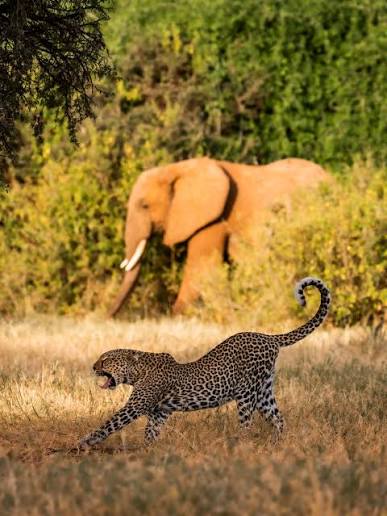
6 Days / 5 Nights – Kenya’s Wild Heart: Highlands, Wildlife & Samburu Culture
Explore Aberdare, Ol Pejeta and Samburu on a private 6-day Kenya safari combining wildlife, conservation, scenic highlands and authentic Samburu culture.

18 Days Ultimate Kenya Wildlife & Beach Safari
Experience Kenya's finest wildlife reserves, the Great Rift Valley, iconic Big Five safaris, and finish with a relaxing Indian Ocean beach holiday in Watamu.
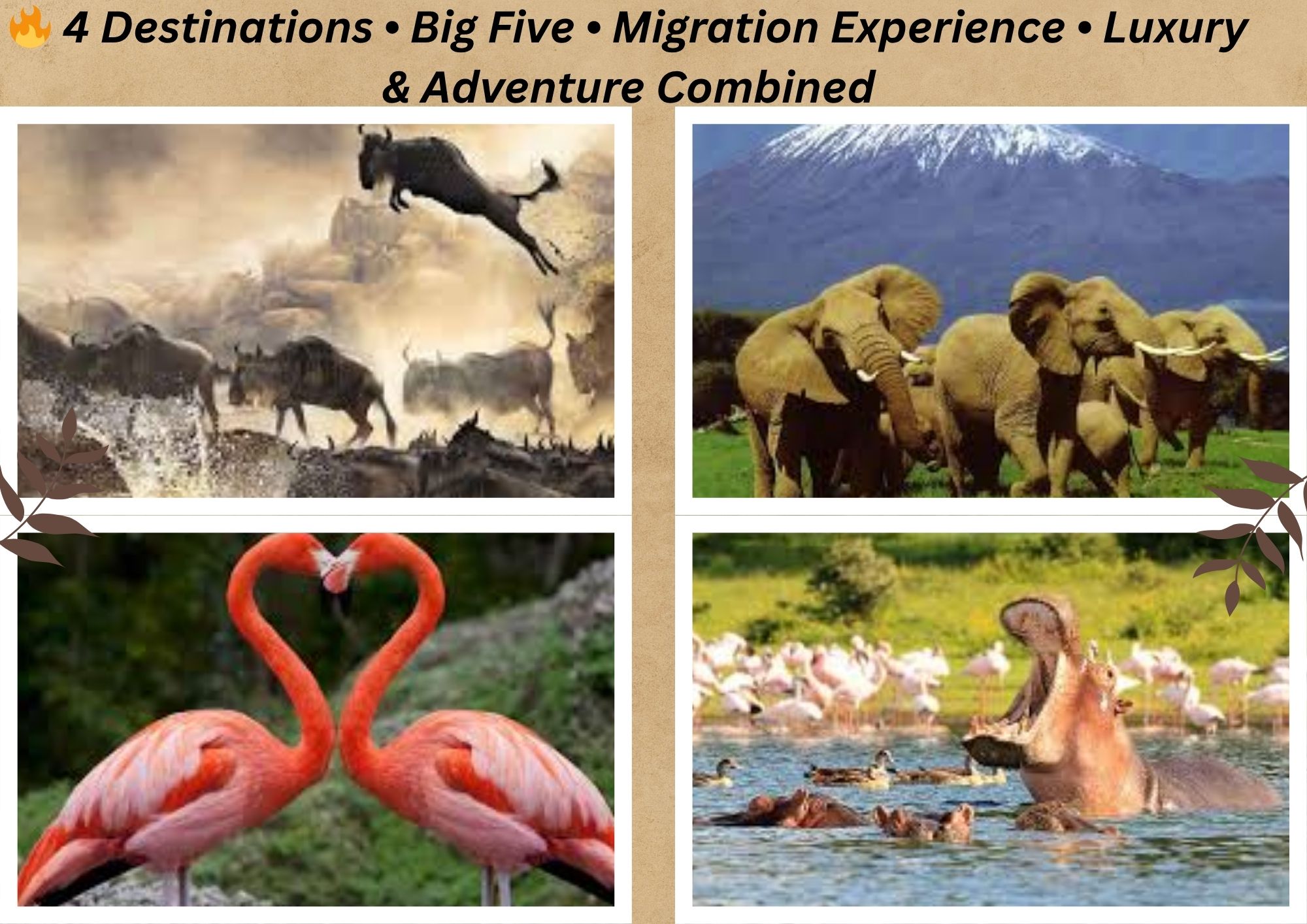
• Big Five • Migration Experience • Luxury & Adventure Combined
Experience an unforgettable 5 days safari through Kenya’s breathtaking northern wilderness. Explore the famous Ol Pejeta Conservancy, home to the last two no...
11-Day Kenya Wilderness Luxury Safari
An exclusive 11-day luxury safari through Kenya’s premier wildlife destinations, featuring Samburu, Ol Pejeta, Maasai Mara, Amboseli and Tsavo West.
Safari Guides
Useful planning articles related to this destination.