 KENNICE TOURS LIMITED
Nairobi National Park
Just beyond Nairobi’s towering skyline lies Nairobi National Park—the world’s only wildlife capital, set against a modern city backdrop. Located just 10 kilometers from the Central Business District, the park offers an extraordinary blend of wildlife safari experiences and scenic, breathtaking landscapes where roaming wildlife is framed by skyscrapers on the horizon. The park hosts a wide variety of wildlife and birdlife, making it both a rewarding safari destination and a true birdwatchers’ paradise. Its open plains, riverine habitats, and dramatic skyline views create striking natural stages for visual storytelling and filmmaking, offering rare contrasts between urban life and untamed wilderness. Nairobi National Park is also a vibrant hub for sports, events, and outdoor experiences, welcoming families, couples, and organized groups for game drives, nature walks, fitness activities, and recreational outings. This peaceful haven on the city’s edge delivers unforgettable encounters where adventure, conservation, and iconic scenery come together.
Wildlife and highlights
Mammals Black Rhino (Diceros bicornis)
The black rhino is one of Nairobi National Park's most important conservation success stories. The park is recognized as one of Kenya's leading rhino sanctuaries and supports one of the country's largest protected populations of black rhinos.
Key Characteristics
Critically endangered species. Solitary and territorial. Prehensile upper lip adapted for browsing shrubs. Can weigh between 800–1,400 kg.
Where to See Them Black rhinos are commonly observed grazing in open grasslands and bushy areas throughout the park.
White Rhino (Ceratotherium simum)
White rhinos are less common than black rhinos but can still be seen in certain sections of the park.
Key Characteristics
Broad square-shaped mouth for grazing. Larger than black rhinos. More social and often found in small groups. African Lion (Panthera leo)
Nairobi National Park hosts a healthy population of lions and is one of the best places in Kenya to observe these iconic predators close to a major city.
Key Characteristics
Live in social groups known as prides. Hunt mainly at night and during cooler periods. Feed on zebra, wildebeest, gazelle, and other herbivores.
Best Viewing Time Early morning and late afternoon.
Leopard (Panthera pardus)
Leopards are present throughout the park but are elusive and difficult to spot due to their secretive nature.
Key Characteristics
Solitary and nocturnal. Excellent climbers. Known for carrying prey into trees.
Where to See Them Riverine forests and dense vegetation.
Cheetah (Acinonyx jubatus)
Nairobi National Park is one of the few places where visitors regularly encounter wild cheetahs.
Key Characteristics
Fastest land animal. Can reach speeds of over 100 km/h. Hunts during daylight hours.
Preferred Habitat Open grasslands with good visibility.
African Buffalo (Syncerus caffer)
Buffalo are among the largest herbivores in the park and one of Africa's most formidable animals.
Key Characteristics
Live in herds. Strong curved horns. Highly protective of group members. Masai Giraffe (Giraffa camelopardalis tippelskirchi)
The Masai giraffe is the tallest animal in Nairobi National Park.
Key Characteristics
Distinctive jagged coat pattern. Feeds primarily on acacia leaves. Can reach heights of over 5.5 meters. Plains Zebra (Equus quagga)
Zebras are among the most frequently observed animals in the park.
Key Characteristics
Unique stripe patterns for each individual. Social animals living in family groups. Important prey species for lions and hyenas. Blue Wildebeest (Connochaetes taurinus)
Wildebeest migrate seasonally between Nairobi National Park and surrounding ecosystems.
Key Characteristics
Large antelope species. Form large herds. Vital component of the predator-prey ecosystem. Eland (Taurotragus oryx)
Africa's largest antelope species.
Key Characteristics
Can weigh over 900 kg. Both sexes possess spiral horns. Generally shy and peaceful. Coke's Hartebeest (Alcelaphus buselaphus cokii)
A distinctive antelope commonly seen on the open plains.
Key Characteristics
Long narrow face. Fast runner. Highly adapted to grassland environments. Impala (Aepyceros melampus)
One of the most graceful antelope species in the park.
Key Characteristics
Exceptional jumping ability. Males possess lyre-shaped horns. Common prey for large predators. Thomson's Gazelle (Eudorcas thomsonii)
A small, elegant gazelle found throughout open grasslands.
Key Characteristics
Fast and agile. Easily identified by the black stripe along its side. Frequently hunted by cheetahs. Grant's Gazelle (Nanger granti)
Larger than Thomson's gazelle and often found in open plains.
Key Characteristics
Long, curved horns. Adapted to dry environments. Can survive with minimal water. Waterbuck (Kobus ellipsiprymnus)
Typically found near rivers and water sources.
Key Characteristics
Shaggy brown coat. Strong swimmers. Distinctive white ring around the rump. Warthog (Phacochoerus africanus)
One of the park's most entertaining species.
Key Characteristics
Facial tusks used for defense. Often seen kneeling while feeding. Lives in underground burrows. Hippopotamus (Hippopotamus amphibius)
Hippos inhabit river systems and permanent water bodies.
Key Characteristics
Spend most daylight hours in water. Highly territorial. Among Africa's heaviest mammals. Spotted Hyena (Crocuta crocuta)
A highly intelligent predator and scavenger.
Key Characteristics
Powerful jaws capable of crushing bones. Excellent hunters. Live in complex social clans. Black-Backed Jackal (Canis mesomelas)
A small predator commonly observed during dawn and dusk.
Key Characteristics
Opportunistic feeder. Hunts small mammals and birds. Often scavenges from larger predators. Serval (Leptailurus serval)
A medium-sized wild cat adapted to grassland hunting.
Key Characteristics
Long legs and large ears. Exceptional hearing. Specialized hunter of rodents. Olive Baboon (Papio anubis)
One of the most intelligent primates in the park.
Key Characteristics
Live in large troops. Omnivorous diet. Highly social behavior. Vervet Monkey (Chlorocebus pygerythrus)
Frequently seen in wooded sections of the park.
Key Characteristics
Agile climbers. Feed on fruits, seeds, and insects. Communicate using various alarm calls. Birds
Nairobi National Park is internationally recognized as an Important Bird Area (IBA) and supports over 400 recorded bird species.
Secretary Bird (Sagittarius serpentarius)
One of Africa's most iconic birds.
Characteristics
Long-legged terrestrial raptor. Hunts snakes and rodents. Often seen walking through grasslands. Grey Crowned Crane (Balearica regulorum)
Kenya's most elegant crane species.
Characteristics
Golden crown of feathers. Found in wetlands and grasslands. Often observed in pairs. Common Ostrich (Struthio camelus)
The world's largest living bird.
Characteristics
Flightless. Can run at speeds exceeding 70 km/h. Common in open savannah. Martial Eagle (Polemaetus bellicosus)
Africa's largest eagle.
Characteristics
Powerful predator. Hunts birds, reptiles, and small mammals. Rare but impressive sighting. Bateleur Eagle (Terathopius ecaudatus)
A colorful and distinctive raptor.
Characteristics
Short tail. Exceptional soaring ability. Often seen circling over grasslands. African Fish Eagle (Haliaeetus vocifer)
Frequently found near rivers and wetlands.
Characteristics
Famous call associated with Africa. Hunts fish from elevated perches. Kori Bustard (Ardeotis kori)
Africa's heaviest flying bird.
Characteristics
Large terrestrial bird. Common in grasslands. Slow and deliberate movements. Reptiles Nile Crocodile (Crocodylus niloticus)
Found in river systems and water bodies.
Characteristics
Apex aquatic predator. Can grow over 5 meters long. Ambush hunter. Monitor Lizard (Varanus niloticus)
Often seen near rivers and wetlands.
Characteristics
Large reptile with powerful claws. Feeds on fish, eggs, insects, and small animals. Snakes
Several snake species inhabit the park, including:
African Rock Python Black Mamba Puff Adder Spitting Cobra Green Mamba
Most snakes avoid human contact and are rarely encountered during normal game drives.
Wildlife Highlights Big Four
Nairobi National Park contains four of Africa's Big Five mammals:
Black Rhino Lion Leopard African Buffalo
Elephants are not found in Nairobi National Park.
Predator Species Lion Leopard Cheetah Spotted Hyena Black-Backed Jackal Serval Herbivore Species Giraffe Zebra Wildebeest Buffalo Eland Hartebeest Gazelles Waterbuck Warthog Bird Species Over 400 recorded species. Excellent birdwatching throughout the year. Peak birding season occurs between November and April when migratory birds are present. Conservation Importance
Nairobi National Park is globally significant for:
Black rhino conservation. Large carnivore protection. Urban wildlife conservation. Environmental education and research. Biodiversity preservation within the greater Nairobi ecosystem.
Best time to visit
June to October (Long Dry Season): The premium viewing window. Sparse vegetation and drying inland waterholes force animals to mass around predictable permanent water sources.January to March (Short Dry Season): Excellent visibility, high predator activity, and reliable, dry navigation tracks throughout the entire park grid.November to December (Short Rains): Lush emerald backdrops ideal for photography, though animals disperse into the dense bush away from main tracks.April to May (Long Rains): The peak window for bird watching as migratory flocks arrive, though secondary dirt tracks become highly muddy
Travel tips
Enter the park early in the morning for the best wildlife activity. Carry binoculars for birdwatching and distant sightings. Wear neutral-colored clothing to avoid attracting animal attention. Bring sunscreen, sunglasses, and a hat. Carry a camera with a zoom lens for wildlife photography. Book guided game drives for expert wildlife interpretation. Avoid feeding or approaching wildlife. Check park gate opening times before visiting. Consider combining your visit with nearby conservation attractions. Allow at least half a day to explore the park effectively. During weekends and holidays, arrive early to avoid queues. Stay on designated roads and follow park regulations.
Recommended tours
Tour ideas that pair well with this destination.
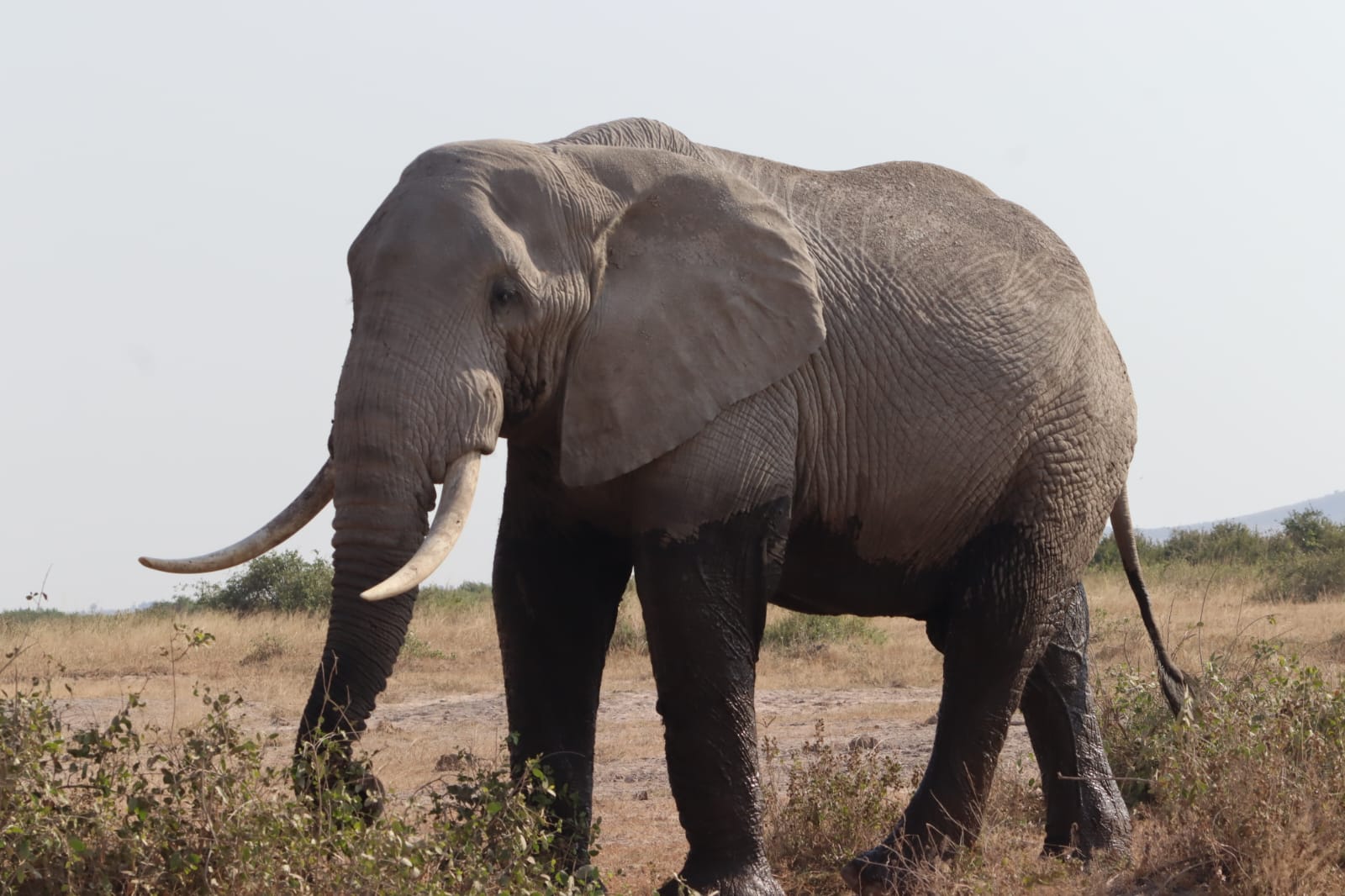
4 Day Amboseli and Nairobi Safari
Short Kenya safari featuring elephants in Amboseli and a cultural day in Nairobi.

4 Day Nairobi to Maasai Mara Safari Itinerary
A 4-day safari from Nairobi to Maasai Mara featuring game drives, Big Five wildlife viewing, Maasai cultural visit, and top Nairobi attractions including Nai...
Safari Guides
Useful planning articles related to this destination.