 KENNICE TOURS LIMITED
Masai Mara National Reserve
The Masai Mara National Reserve is one of Africa’s most iconic safari destinations, globally recognized for its raw wilderness, abundant wildlife, and dramatic landscapes. Located in southwestern Kenya, the reserve forms part of the greater Serengeti ecosystem, making it a vital corridor for wildlife movement and one of the most biologically rich regions on the continent. For travelers seeking a true African safari experience, the Mara stands as the ultimate destination where nature unfolds in its most authentic and powerful form. What makes the Masai Mara exceptionally special is the Great Migration, often described as one of the “Seven Natural Wonders of the World.” Every year, over 1.5 million wildebeest, zebras, and gazelles move across the plains in search of fresh grazing, creating breathtaking scenes of survival, drama, and instinct. Beyond the migration, the reserve is home to the famous Big Five—lion, leopard, elephant, buffalo, and rhino—offering year-round wildlife viewing that is both thrilling and deeply immersive. Visitors to the Masai Mara don’t just come for animals—they come for an experience that connects them to nature, culture, and themselves. The endless golden savannahs, dotted with acacia trees and intersected by winding rivers, create a cinematic backdrop that feels almost unreal. Combined with the warm hospitality of the Maasai people and expertly guided safaris, the Mara becomes more than a destination—it becomes a story travelers carry with them long after they leave. The Masai Mara National Reserve is not just a wildlife destination—it is a living, breathing ecosystem where every moment feels like a scene from a nature documentary. From the second you enter the reserve, the transformation is immediate. The busy rhythms of city life fade away, replaced by the quiet hum of the savannah, the distant roar of lions, and the rustling of grass as herds move across the plains. Landscape and Ecosystem The Mara’s landscape is vast and open, characterized by rolling grasslands, scattered acacia trees, and riverine forests along the Mara and Talek rivers. These rivers are lifelines, sustaining wildlife throughout the year and becoming dramatic stages during the migration season when thousands of animals attempt perilous crossings filled with lurking crocodiles. This ecosystem is part of the greater Serengeti, meaning wildlife moves freely across borders. This natural flow ensures the Mara remains rich in biodiversity, with predator-prey interactions happening daily. Unlike many parks, the open terrain makes wildlife easier to spot, giving visitors consistent and rewarding game viewing experiences. The Safari Experience A typical day in the Masai Mara begins before sunrise. As the sky shifts from deep blue to shades of orange and pink, safari vehicles head out into the plains. Early mornings are the best time to catch predators in action—lions returning from a hunt, cheetahs scanning for prey, or leopards descending from trees after a night of activity. Game drives are immersive and unpredictable. One moment you may be watching a herd of elephants calmly grazing, and the next, you’re witnessing a high-speed chase between a cheetah and a gazelle. The guides play a crucial role, using their deep knowledge of the land and animal behavior to position you at the heart of the action. Afternoons offer a different rhythm. The heat softens activity, but this is when you can appreciate the landscape, observe social interactions among animals, and enjoy photography with golden lighting. Evenings end with breathtaking sunsets that paint the Mara in warm hues, often followed by storytelling around campfires in lodges or tented camps. The Great Migration Experience The migration is the Mara’s most famous spectacle. Between July and October, massive herds cross from Tanzania into Kenya, creating scenes that are both beautiful and intense. River crossings are the highlight—chaotic, emotional, and unforgettable. Animals hesitate at the riverbanks, then suddenly surge forward, braving strong currents and predators. Being present during a crossing is one of the most powerful wildlife experiences in the world. It’s not just about watching animals move; it’s about witnessing survival, instinct, and the cycle of life in its rawest form. Cultural Connection: The Maasai People The Masai Mara is named after the Maasai community, who have lived alongside wildlife for generations. Visiting a Maasai village adds a meaningful cultural dimension to the safari. Travelers learn about traditional lifestyles, cattle herding, beadwork, and the deep spiritual connection the Maasai have with the land. This coexistence between people and wildlife is a key part of the Mara’s identity and conservation success. Many conservancies around the reserve are community-owned, ensuring tourism directly benefits local populations while protecting the ecosystem. Beyond Game Drives While game drives are the main activity, the Masai Mara offers much more. Hot air balloon safaris provide a breathtaking aerial perspective of the plains at sunrise, followed by bush breakfasts in the wild. Walking safaris in conservancies allow guests to experience the smaller details of the ecosystem—tracks, plants, and insects that are often overlooked. Photography safaris, birdwatching, and private conservancy experiences add depth, making every visit unique depending on your interests and travel style.
Wildlife and highlights
The Masai Mara is one of the richest wildlife habitats in Africa, offering year-round sightings and incredible diversity.
Lions are the stars of the Mara. Large prides dominate the plains, often seen resting under trees or coordinating hunts. The open landscape makes it easier to observe their social structures and interactions.
Cheetahs thrive in the Mara’s wide-open grasslands, where their speed gives them an advantage. Visitors often see them perched on termite mounds scanning for prey, followed by explosive chases that happen in seconds.
Leopards, though elusive, are frequently spotted along riverine forests. They are solitary and prefer trees, where they rest or hide their kills away from scavengers.
Elephants roam in large herds, particularly near rivers and wooded areas. Watching their family dynamics—young calves protected by older females—is both powerful and emotional.
The Great Migration species—wildebeest, zebras, and gazelles—form the backbone of the ecosystem. Their movement supports predator populations and shapes the entire food chain.
The Mara is also a paradise for bird lovers, with over 450 bird species, including vultures, eagles, and colorful lilac-breasted rollers. Reptiles such as Nile crocodiles and various snake species are also present, especially near water bodies.
Best time to visit
The Masai Mara is a year-round destination, but each season offers a different experience.
From July to October, the reserve is at its peak due to the Great Migration. Wildlife density is extremely high, and river crossings provide dramatic action. However, this is also the busiest and most expensive period.
Between December and February, the weather is dry and warm, making it excellent for game viewing and photography. Animals gather around water sources, and visibility is high due to shorter grass.
The green season (March to May and November) brings fewer crowds, lush landscapes, and excellent birdwatching. While rain can affect road conditions, it also transforms the Mara into a vibrant, scenic paradise perfect for photographers seeking dramatic skies and rich colors.
Travel tips
Packing should focus on neutral-colored clothing, comfortable layers for varying temperatures, sunscreen, hats, and binoculars. Early mornings can be surprisingly cold, so warm clothing is essential.
Safety is well-managed within the reserve, but visitors should always follow guide instructions, especially during wildlife encounters. Animals are wild and unpredictable, and maintaining distance is crucial.
Transportation options include road transfers from Nairobi (approximately 5–6 hours) or short domestic flights to nearby airstrips, which save time and offer scenic aerial views.
Booking in advance is highly recommended, especially during peak migration season. Choosing the right accommodation—whether luxury lodges or budget camps—can significantly impact the overall experience.
A common mistake travelers make is underestimating the value of a knowledgeable guide. A skilled guide transforms a safari from simple sightings into a deeper understanding of wildlife behavior and ecosystems.
Recommended tours
Tour ideas that pair well with this destination.
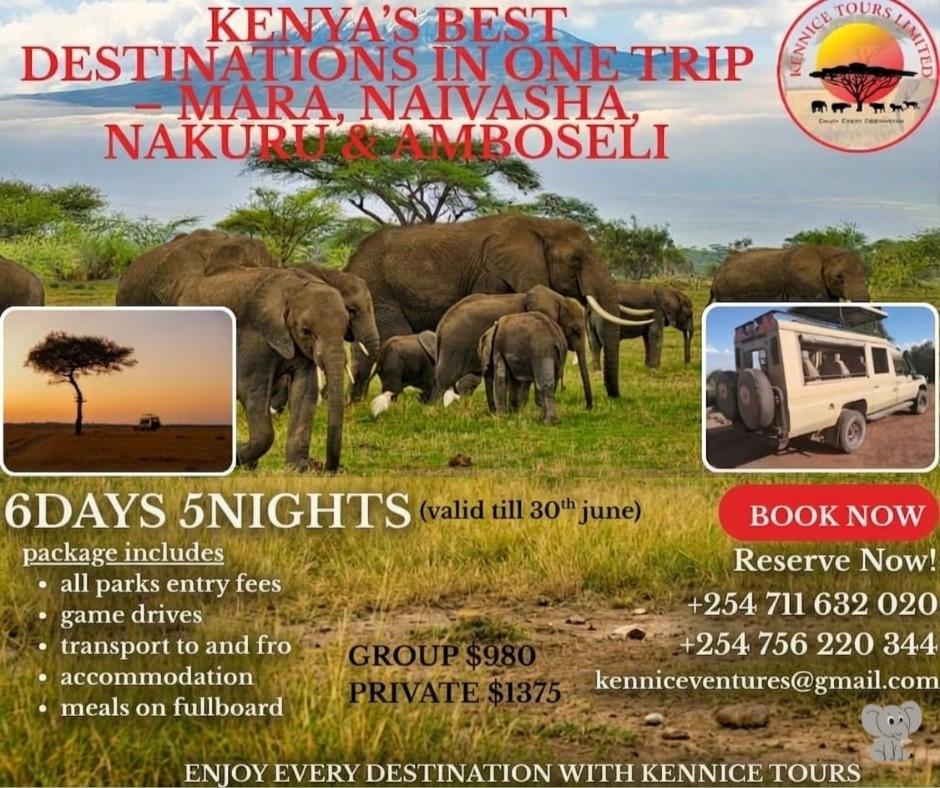
Kenya Classic Safari: Maasai Mara, Lake Naivasha, Lake Nakuru & Amboseli
A complete Kenya safari covering the Maasai Mara, Lake Naivasha, Lake Nakuru, and Amboseli with diverse wildlife and stunning landscapes.
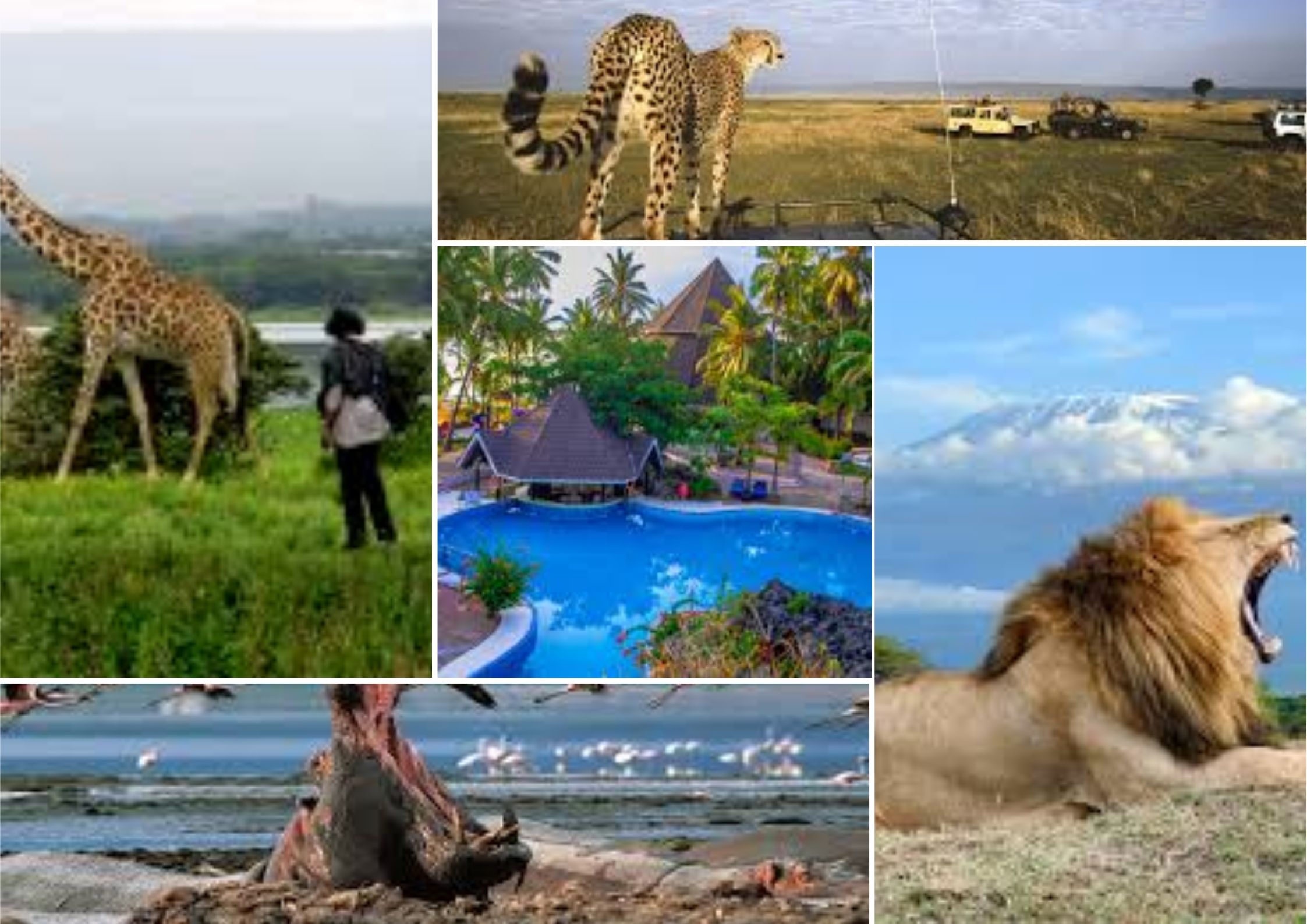
11 Days Kenya Safari & Coastal Adventure
Discover Kenya’s wildlife, landscapes, and coastal beauty through an unforgettable safari and beach experience
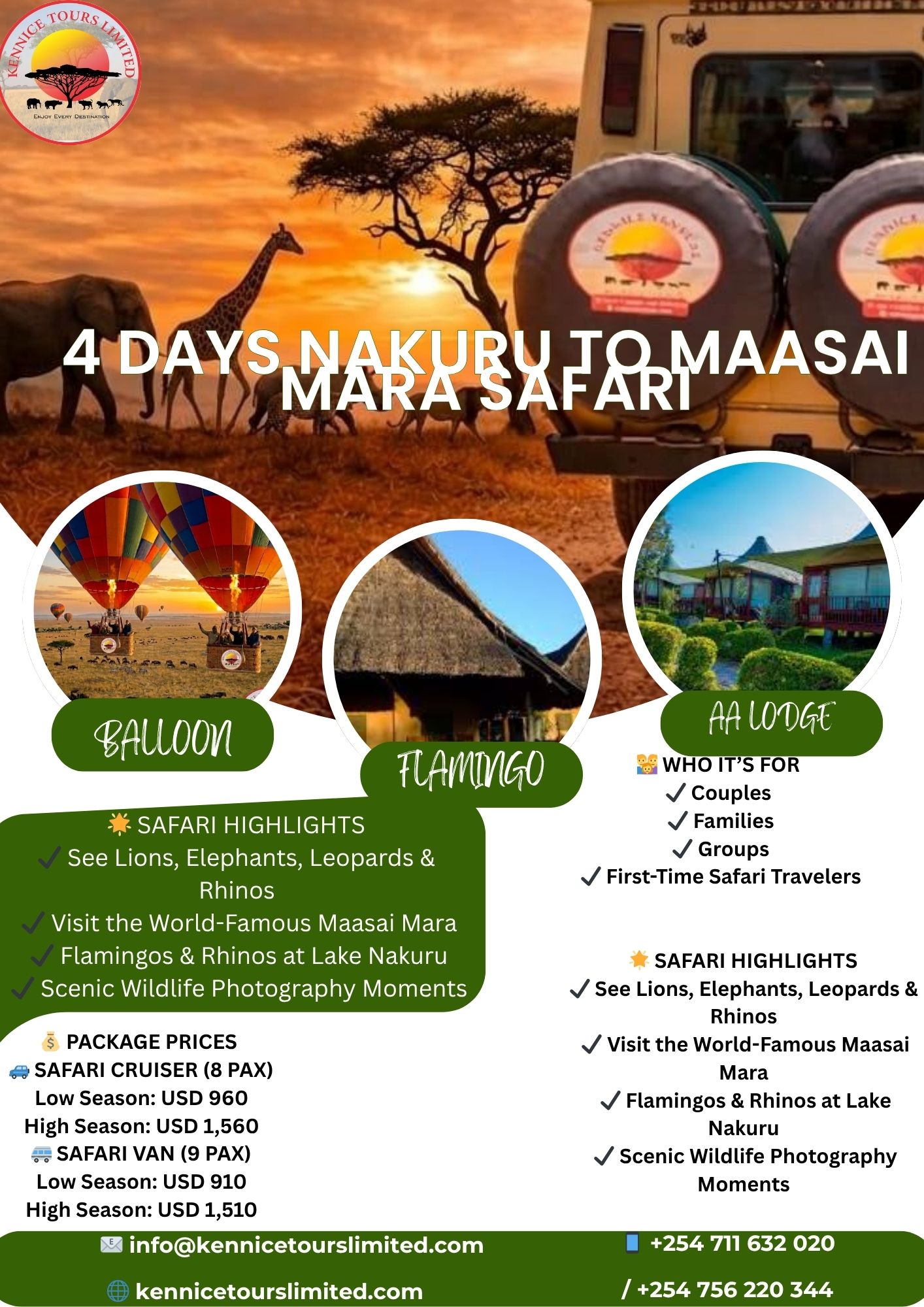
4 Days Maasai Mara & Lake Nakuru Safari
Experience Kenya’s top wildlife destinations with thrilling game drives in Maasai Mara and Lake Nakuru National Park.
Safari Guides
Useful planning articles related to this destination.