 KENNICE TOURS LIMITED
LAKE NAIVASHA
Lake Naivasha is one of Kenya’s most beautiful freshwater lakes, set in the Great Rift Valley and surrounded by lush greenery, volcanic landscapes, and rich wildlife habitats. Just a short drive from Nairobi, it is a peaceful escape known for boat safaris, birdwatching, flower farms, and close encounters with hippos and giraffes. Unlike Kenya’s savannah parks, Lake Naivasha offers a calm, scenic, and refreshing safari experience centered around water and birdlife. This destination is especially famous for its incredible bird diversity, tranquil boat rides across the lake, and nearby attractions such as Crescent Island and Hell’s Gate National Park. It is a perfect blend of relaxation and adventure, making it ideal for both short getaways and longer safari circuits across Kenya. Lake Naivasha sits in the heart of Kenya’s Great Rift Valley, about 90 kilometers northwest of Nairobi. The journey to the lake itself is part of the experience, as travelers descend into a dramatic landscape of escarpments, rolling hills, and volcanic formations. As you approach Naivasha town, the air becomes cooler and greener, with lush vegetation replacing the dry highland scenery. This contrast is what makes Lake Naivasha such a striking destination within Kenya’s safari circuit. Historically, Lake Naivasha has been an essential freshwater source for surrounding communities and wildlife. The name “Naivasha” is derived from the Maasai word “Nai’posha,” meaning “rough water,” referring to the sudden storms that can rise on the lake. Over time, it has also become a major agricultural and tourism hub, particularly known for floriculture farms that export flowers globally. Despite human development around its shores, the lake remains a thriving ecosystem supported by underground springs that keep its waters fresh. A typical visit to Lake Naivasha begins with arrival at a lakeside lodge or resort, many of which are nestled among acacia trees and open lawns where zebras and giraffes often roam freely. The atmosphere is noticeably different from Kenya’s dry safari parks—it feels peaceful, humid, and alive with bird calls. Visitors often start their experience with a boat safari, gliding across calm waters dotted with floating vegetation and watching hippos surface silently just meters away. Fish eagles circle overhead, diving dramatically into the water to catch fish, creating one of the lake’s most iconic wildlife moments. One of the most memorable experiences at Lake Naivasha is visiting Crescent Island, a private sanctuary where animals roam freely without predators. Walking safaris here allow visitors to move among giraffes, wildebeests, antelopes, and zebras on foot. The feeling is surreal—there are no vehicles, no fences, and no rush. Just open plains and gentle wildlife interactions against the backdrop of the lake and distant volcanic hills. Beyond wildlife, the lake is also surrounded by fascinating geological and adventure sites. Nearby Hell’s Gate National Park offers dramatic cliffs, geothermal activity, and cycling safaris through gorges and open plains. The park inspired landscapes in animated films and remains one of the few parks in Kenya where visitors can walk or cycle among wildlife safely. Combined with Lake Naivasha, it creates a diverse tourism circuit that blends water-based safari experiences with rugged land exploration. Culturally, the region around Naivasha is a melting pot of Kenyan communities, with strong influences from Maasai heritage, farming communities, and modern tourism developments. Local markets in Naivasha town offer fresh produce, crafts, and everyday cultural interactions that give visitors a deeper understanding of life in the Rift Valley. As the day progresses, sunsets over Lake Naivasha are particularly breathtaking. The sky reflects orange and pink hues across the water while silhouettes of acacia trees and grazing animals complete the scene. Evenings are calm, often accompanied by distant sounds of hippos grazing near the shoreline and birds settling into their nests. Lake Naivasha is not just a destination—it is an atmosphere. It is where water meets wildlife, where silence meets adventure, and where nature feels both gentle and powerful at the same time. Whether you are on a short Nairobi escape or part of a longer Kenyan safari circuit, Naivasha offers a refreshing pause filled with beauty, wildlife encounters, and peaceful landscapes.
Wildlife and highlights
Hippos are among the most iconic residents of Lake Naivasha. They are commonly seen in the water during the day, surfacing in groups and protecting their territories. Visitors usually spot them during boat safaris, especially in shallow areas near papyrus beds.
African fish eagles are another highlight. They are frequently seen perched on tall acacia trees and are known for their dramatic hunting dives. Tourists often witness them catching fish right in front of boats, making them a favorite photographic subject.
Giraffes are found on nearby islands and private conservancies such as Crescent Island. They move gracefully across open plains and are easily observed during walking safaris, offering close yet safe encounters.
Zebras and wildebeests roam freely in the open grasslands around the lake. They are commonly seen grazing near lodges and on Crescent Island, contributing to the classic African safari scenery.
Smaller species include waterbucks, impalas, and various antelope species that thrive in the lake’s lush surroundings. Birdlife is extremely rich, with herons, kingfishers, pelicans, and cormorants forming a large part of the ecosystem.
Best time to visit
Lake Naivasha can be visited throughout the year, but the dry seasons from June to October and January to February are considered the best. During these months, wildlife viewing is easier, and boat safaris are more stable due to calmer waters.
The wet seasons from March to May and November bring lush green scenery and increased bird activity. This is the best time for photography, especially for capturing dramatic skies and vibrant landscapes. However, some dirt roads may become slippery during heavy rains.
Early mornings and late afternoons are the most rewarding times of the day. Mornings offer soft lighting and active birdlife, while evenings provide stunning sunsets over the lake.
Travel tips
Pack light clothing for daytime and a warm layer for evenings, as temperatures can drop slightly after sunset. Comfortable walking shoes are essential, especially if visiting Crescent Island or nearby parks.
Boat safaris should be booked with licensed guides for safety and better wildlife interpretation. Always maintain safe distances from hippos, as they are territorial animals.
Carry binoculars for birdwatching and a good camera for capturing wildlife moments. Sun protection such as hats and sunscreen is important due to strong equatorial sunlight.
Avoid feeding animals and always respect conservation rules to protect the delicate ecosystem. It is also advisable to stay in lakeside lodges for the best sunrise and wildlife viewing experience.
Recommended tours
Tour ideas that pair well with this destination.
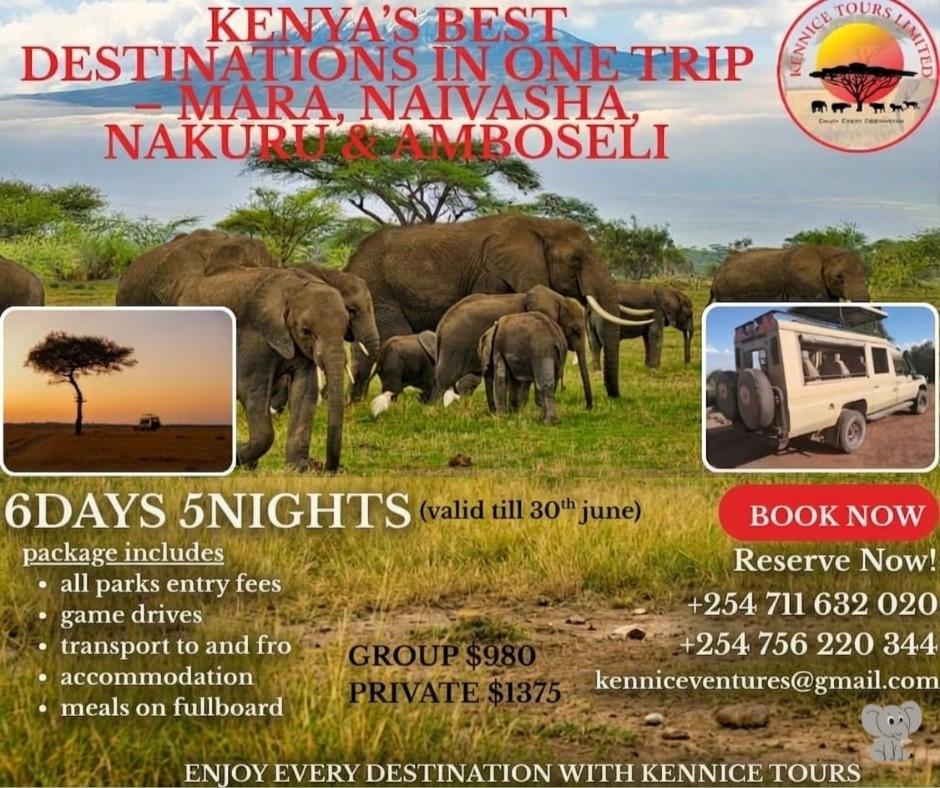
Kenya Classic Safari: Maasai Mara, Lake Naivasha, Lake Nakuru & Amboseli
A complete Kenya safari covering the Maasai Mara, Lake Naivasha, Lake Nakuru, and Amboseli with diverse wildlife and stunning landscapes.
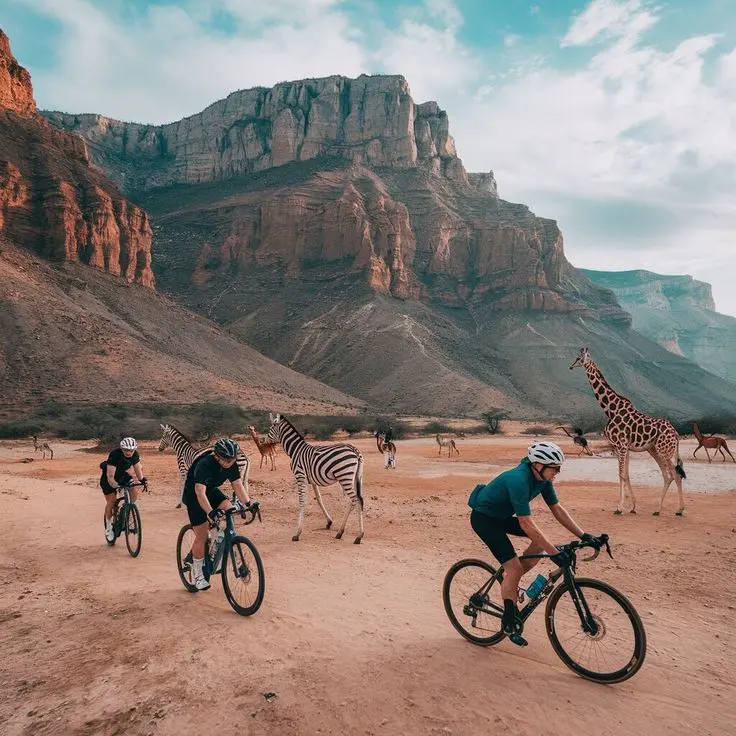
8 Days Nairobi, Naivasha, Nakuru & Maasai Mara Safari
Explore Kenya's top wildlife and nature destinations including Lake Naivasha, Hell's Gate, Lake Nakuru, Maasai Mara, and Nairobi National Park.
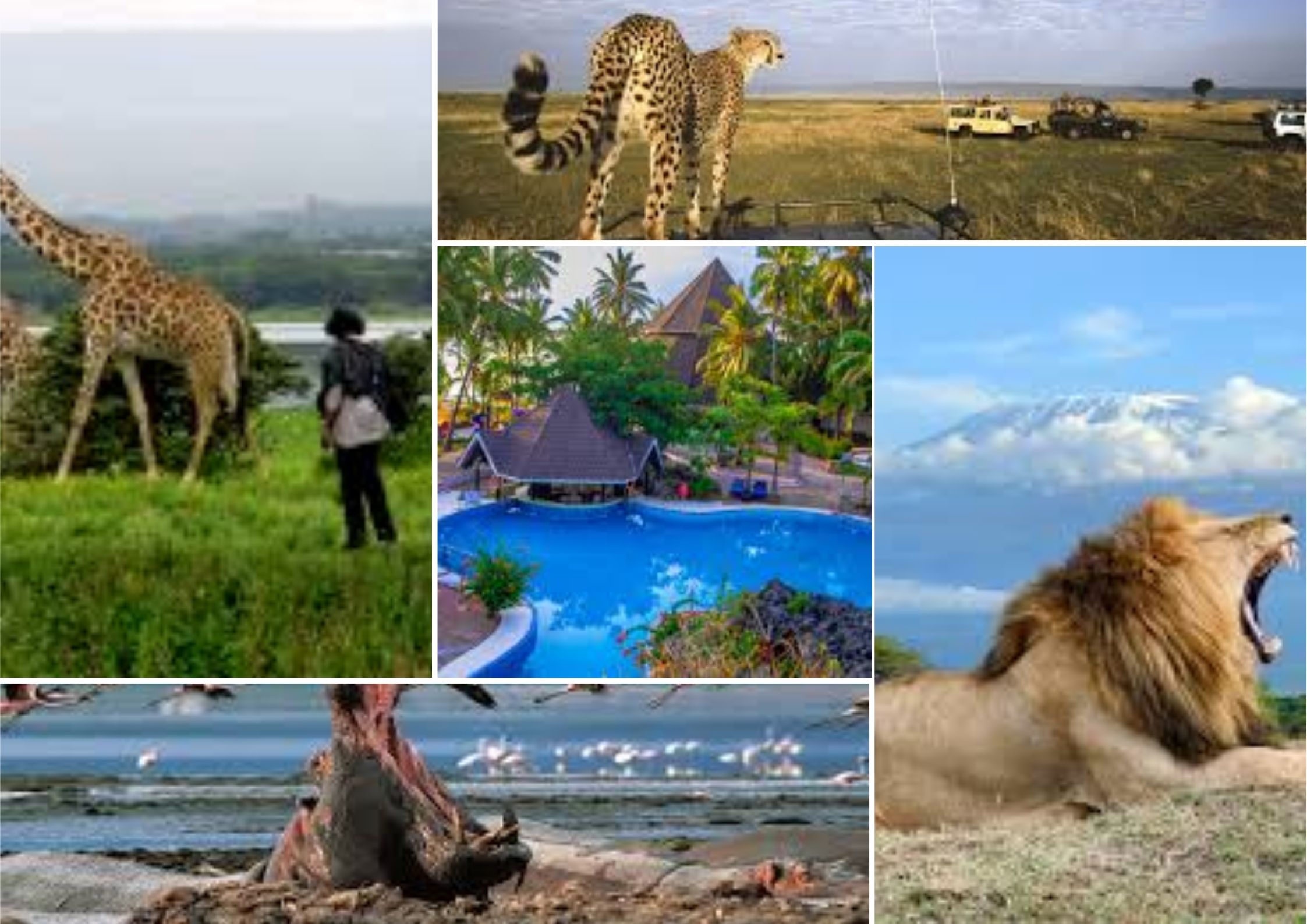
11 Days Kenya Safari & Coastal Adventure
Discover Kenya’s wildlife, landscapes, and coastal beauty through an unforgettable safari and beach experience
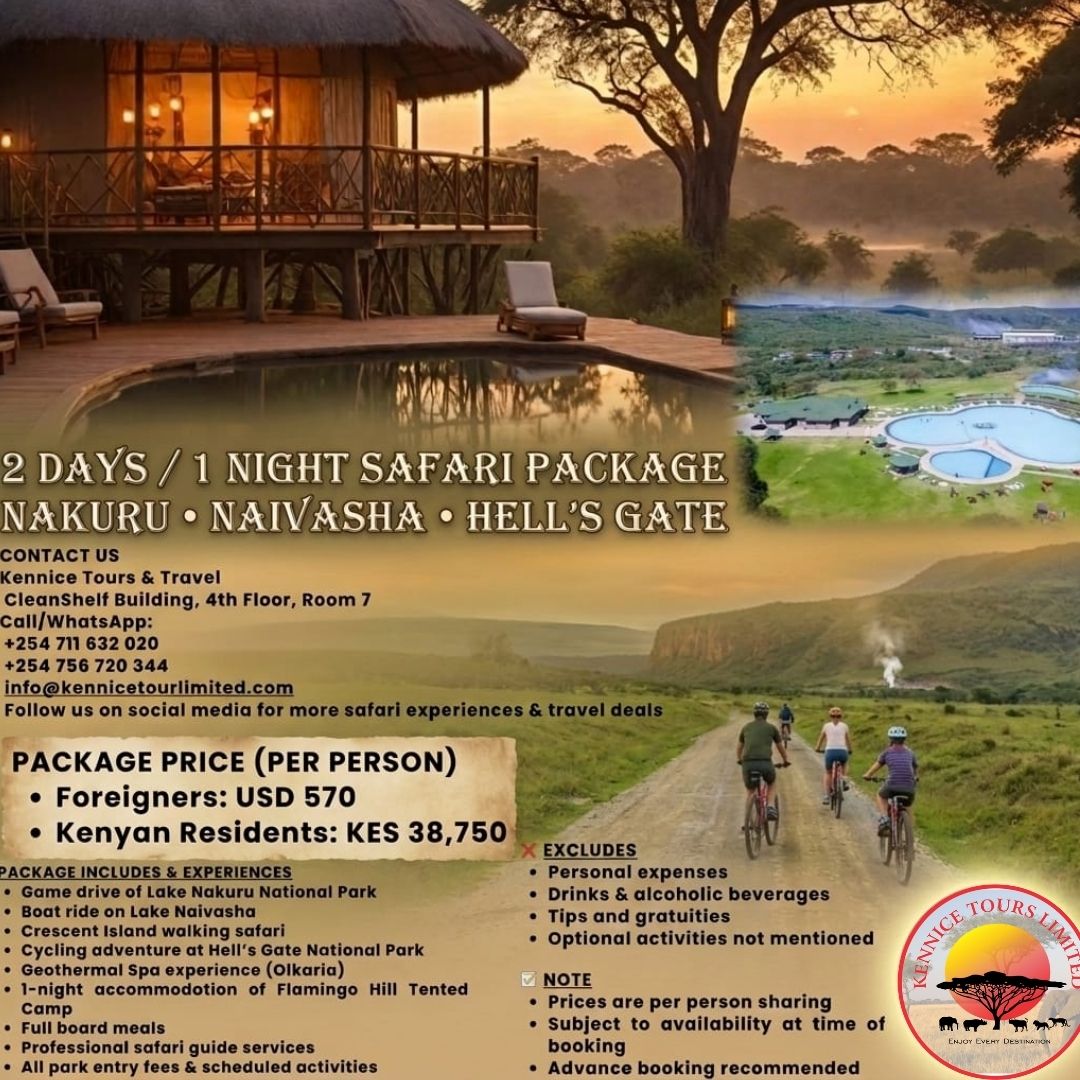
2-Day Rift Valley Safari: Nakuru, Hells Gate & Naivasha Adventure
A 3-day scenic and adventure-packed safari through Kenya’s Great Rift Valley, exploring flamingo-filled Lake Nakuru, cycling and hiking at Hells Gate, and a...
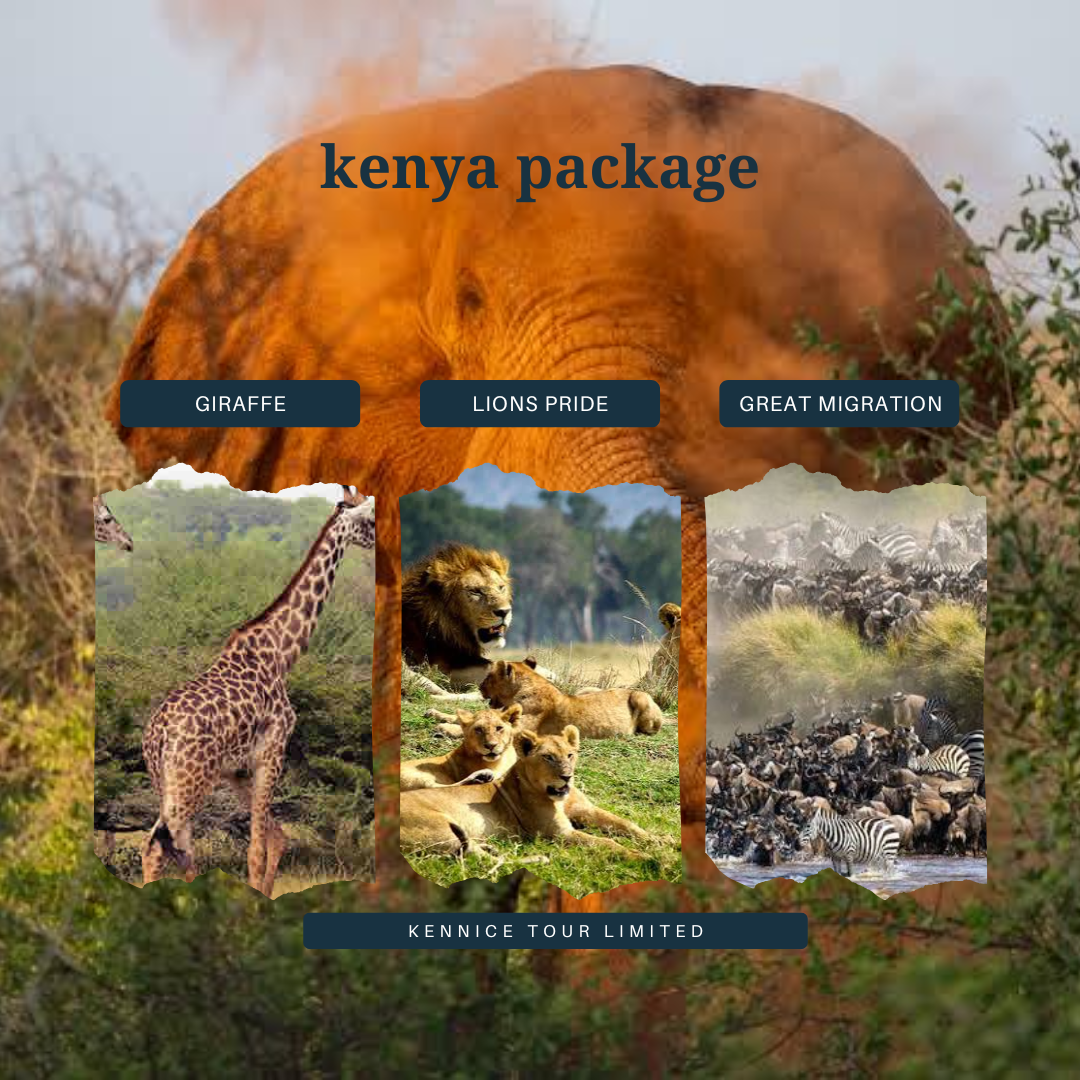
Kenya Budget Group Safari
Experience Kenya's iconic wildlife destinations on an affordable guaranteed group safari with daily departures.
Safari Guides
Useful planning articles related to this destination.