 KENNICE TOURS LIMITED
Kenya (Republic of Kenya)
Kenya stands as one of Africa’s most iconic and diverse travel destinations, offering an extraordinary blend of wildlife, landscapes, culture, and adventure. Located in East Africa along the equator, this country is globally recognized as the birthplace of the modern safari, where vast savannahs, dramatic escarpments, snow-capped mountains, and tropical coastlines converge into one unforgettable travel experience. For many travelers, Kenya is not just a destination—it is a lifelong dream of seeing Africa in its purest, most cinematic form. From the legendary plains of the Maasai Mara National Reserve, where the Great Migration unfolds in breathtaking scale, to the elephant-rich landscapes of Amboseli National Park beneath Mount Kilimanjaro, Kenya delivers wildlife encounters that are both intimate and awe-inspiring. The country is also home to freshwater lakes such as Lake Naivasha and Lake Nakuru National Park, known for birdlife and rhino conservation, creating a well-rounded safari circuit that appeals to both first-time visitors and seasoned explorers. Beyond wildlife, Kenya’s cultural richness is equally compelling. Travelers have the opportunity to engage with communities such as the Maasai, Samburu, and Swahili, gaining insight into traditions that have been preserved for generations. Meanwhile, the Kenyan coast, stretching along the Indian Ocean, offers a completely different atmosphere—white sandy beaches, coral reefs, and historic towns like Mombasa, where Swahili culture and centuries-old trade history come alive. What makes Kenya truly special is the seamless combination of safari, culture, and relaxation. A single itinerary can take you from early morning game drives on golden plains to sunset dhow cruises along the coast. Whether it’s witnessing a lion hunt, photographing flamingos, trekking in the highlands, or unwinding on the beaches of Diani, Kenya offers a travel rhythm that feels both adventurous and deeply fulfilling.
Wildlife and highlights
Kenya’s tourism appeal is rooted in its remarkable diversity, both geographically and experientially. The country sits along the Great Rift Valley, a geological wonder that has shaped much of its dramatic landscape. This rift system creates escarpments, lakes, and fertile plains that are not only visually striking but also ecologically rich, supporting a wide variety of wildlife and vegetation zones. As you travel across Kenya, the scenery shifts constantly—from acacia-dotted savannahs to dense forests, volcanic hills, and coastal ecosystems—making every journey feel dynamic and immersive.
Historically, Kenya holds an important place in human evolution and exploration. Archaeological discoveries in regions like the Rift Valley have provided critical insights into early human history, while the colonial era introduced infrastructure and conservation frameworks that later evolved into today’s national parks and reserves. Tourism began gaining momentum in the mid-20th century, particularly with the global fascination around African safaris, and Kenya quickly established itself as a leading destination due to its accessibility and wildlife abundance.
A typical visitor experience in Kenya often begins in Nairobi, the capital city and a unique gateway where urban life meets wildlife. Unlike most capitals in the world, Nairobi is home to Nairobi National Park, where visitors can spot lions, giraffes, and rhinos against a backdrop of city skyscrapers. This contrast sets the tone for what Kenya offers—a balance between modern convenience and untamed nature.
From Nairobi, many travelers embark on safari circuits that lead to iconic parks. The journey to the Maasai Mara is often filled with anticipation, as the road descends into the Great Rift Valley before opening into vast plains teeming with wildlife. Game drives in the Mara are typically conducted in the early morning and late afternoon, when animals are most active. Visitors often describe the experience as cinematic—watching herds of wildebeest stretching to the horizon, hearing lions roar in the distance, and witnessing predators in action.
In contrast, Amboseli offers a different kind of magic. Here, the presence of Mount Kilimanjaro creates a stunning backdrop, especially during sunrise when the mountain’s snow-capped peak glows above the plains. The park is famous for its large elephant herds, and sightings are often close and prolonged, allowing for exceptional photography and observation of animal behavior.
Kenya’s lake regions introduce yet another dimension to the safari experience. Lake Nakuru, once famous for its flamingo populations, is now a key sanctuary for both black and white rhinos. Visitors can explore the park’s diverse habitats, including woodlands and grasslands, while spotting lions, leopards, and a variety of bird species. Meanwhile, Lake Naivasha offers a more relaxed setting, where boat safaris bring you close to hippos and fish eagles, and nearby Crescent Island allows for walking safaris among giraffes and zebras.
Culturally, Kenya enriches every journey with meaningful interactions. Visiting a Maasai village, for example, is not just a photo opportunity—it provides insight into pastoral lifestyles, traditional architecture, and social structures. These experiences are increasingly being designed with community involvement and sustainability in mind, ensuring that tourism benefits local populations directly. The Kenyan coast provides a perfect conclusion to a safari itinerary. After days of early mornings and game drives, the transition to the Indian Ocean feels like a reward. Destinations such as Diani Beach offer powdery white sand, turquoise waters, and a laid-back atmosphere ideal for relaxation. Water activities such as snorkeling, diving, and dhow sailing add to the coastal experience, while historical sites like Fort Jesus in Mombasa reveal the region’s rich maritime past.
Transportation within Kenya has improved significantly over the years, making it easier to combine multiple destinations. Domestic flights connect major parks and coastal areas, reducing travel time and maximizing comfort. Road travel, while sometimes long, offers scenic routes and opportunities to see rural life and landscapes up close.
Overall, Kenya’s tourism experience is defined by variety and depth. It is a destination where no two days feel the same, where every landscape tells a story, and where travelers leave with not just photos, but a genuine connection to the land and its people.
Wildlife:
Kenya is one of the best places in the world to observe wildlife in its natural habitat, and its ecosystems support an incredible range of species.
The African elephant is one of the most iconic animals in Kenya, particularly in Amboseli, where large herds roam freely across open plains. These elephants are known for their impressive tusks and social behavior, often seen interacting in family groups. Observing them up close provides insight into their intelligence and complex communication.
Lions are widely distributed across Kenya’s savannah ecosystems, especially in the Maasai Mara. They are often spotted resting under acacia trees during the day and become more active in the cooler hours. Seeing a pride of lions on a hunt or interacting socially is one of the most memorable safari experiences.
The Great Migration, involving millions of wildebeest and zebras, is one of the most dramatic wildlife spectacles on Earth. These animals move between Tanzania and Kenya in search of fresh grazing, crossing rivers filled with crocodiles in a perilous journey that defines the Mara’s seasonal rhythm.
Rhinos, both black and white, are primarily found in protected areas like Lake Nakuru. Conservation efforts have helped stabilize their populations, and sightings here are relatively reliable. These animals play a crucial role in maintaining ecological balance. Birdlife in Kenya is exceptionally diverse, with over 1,000 species recorded. From flamingos and pelicans in the Rift Valley lakes to raptors and colorful bee-eaters, birdwatching is a highlight for many visitors. Each habitat supports different species, making Kenya a year-round birding destination.
Best time to visit
Kenya can be visited year-round, but the experience varies depending on the season, and understanding these differences helps travelers plan effectively.
The dry seasons, typically from June to October and January to February, are considered the best times for wildlife viewing. During these months, vegetation is thinner, and animals gather around water sources, making them easier to spot. The weather is generally sunny and comfortable, with cooler mornings and evenings, especially in higher-altitude areas.
The period between July and October is particularly popular due to the Great Migration in the Maasai Mara. This is when river crossings occur, offering dramatic scenes that attract photographers and wildlife enthusiasts from around the world. However, it is also the peak tourist season, meaning higher prices and increased demand for accommodation.
The wet seasons, from March to May (long rains) and November to December (short rains), bring lush landscapes and fewer tourists. While some roads may become challenging, this is an excellent time for photography due to the vibrant greenery and dramatic skies. Birdwatching is also at its best during these months, as migratory species arrive.
Travel tips
Traveling in Kenya requires thoughtful planning to ensure a smooth and enjoyable experience. Packing should include lightweight clothing for daytime, warm layers for early mornings and evenings, and neutral colors suitable for safaris. A good pair of binoculars, a camera with zoom capabilities, and sunscreen are essential items.
Safety is generally good in tourist areas, especially within national parks and reputable lodges. However, it is advisable to follow guidance from local guides, avoid walking alone at night in urban areas, and use trusted transportation services.
Booking safaris in advance is highly recommended, particularly during peak seasons. Working with experienced tour operators ensures access to knowledgeable guides, well-maintained vehicles, and carefully planned itineraries. It also helps avoid common mistakes such as underestimating travel distances or choosing unsuitable accommodations.
Transport options include domestic flights, private safari vehicles, and organized group tours. While self-driving is possible, it is not always recommended for first-time visitors due to road conditions and navigation challenges.
One common mistake travelers make is trying to fit too many destinations into a short trip. Kenya’s experiences are best enjoyed at a relaxed pace, allowing time to fully appreciate each location.
Recommended tours
Tour ideas that pair well with this destination.
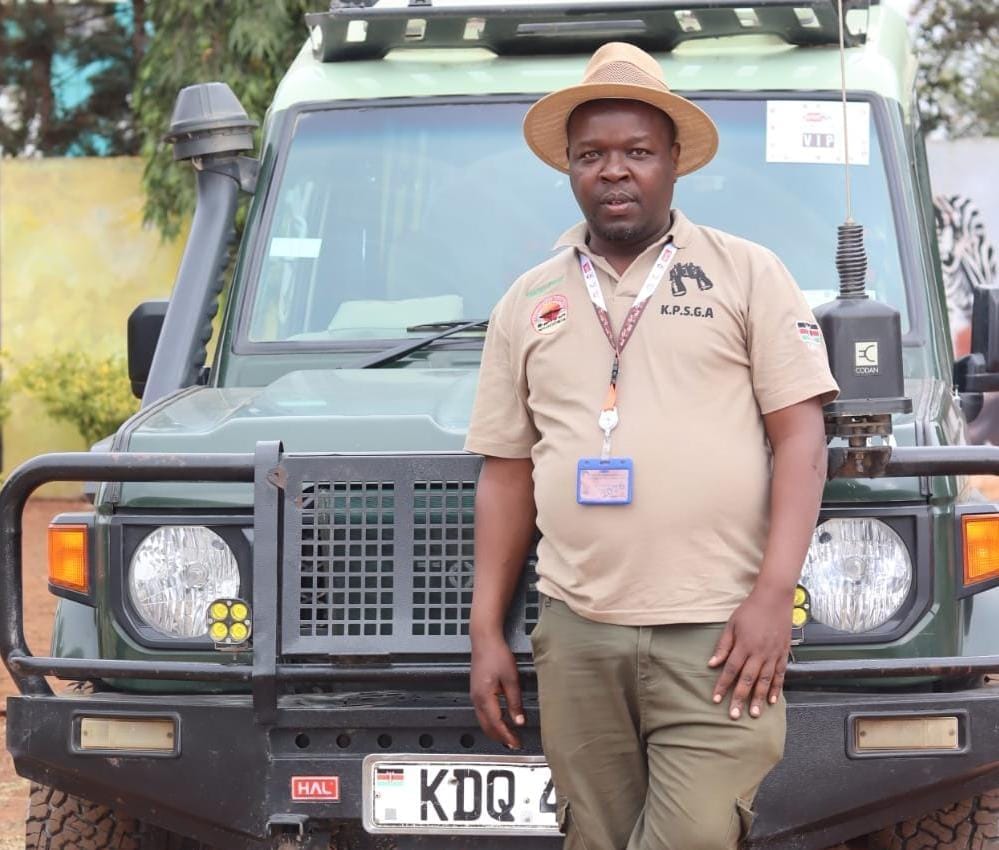
Half-Day Safari Experience – Morning & Afternoon Sessions
Enjoy a flexible 4-hour safari experience with morning or afternoon sessions, available by safari cruiser or van.
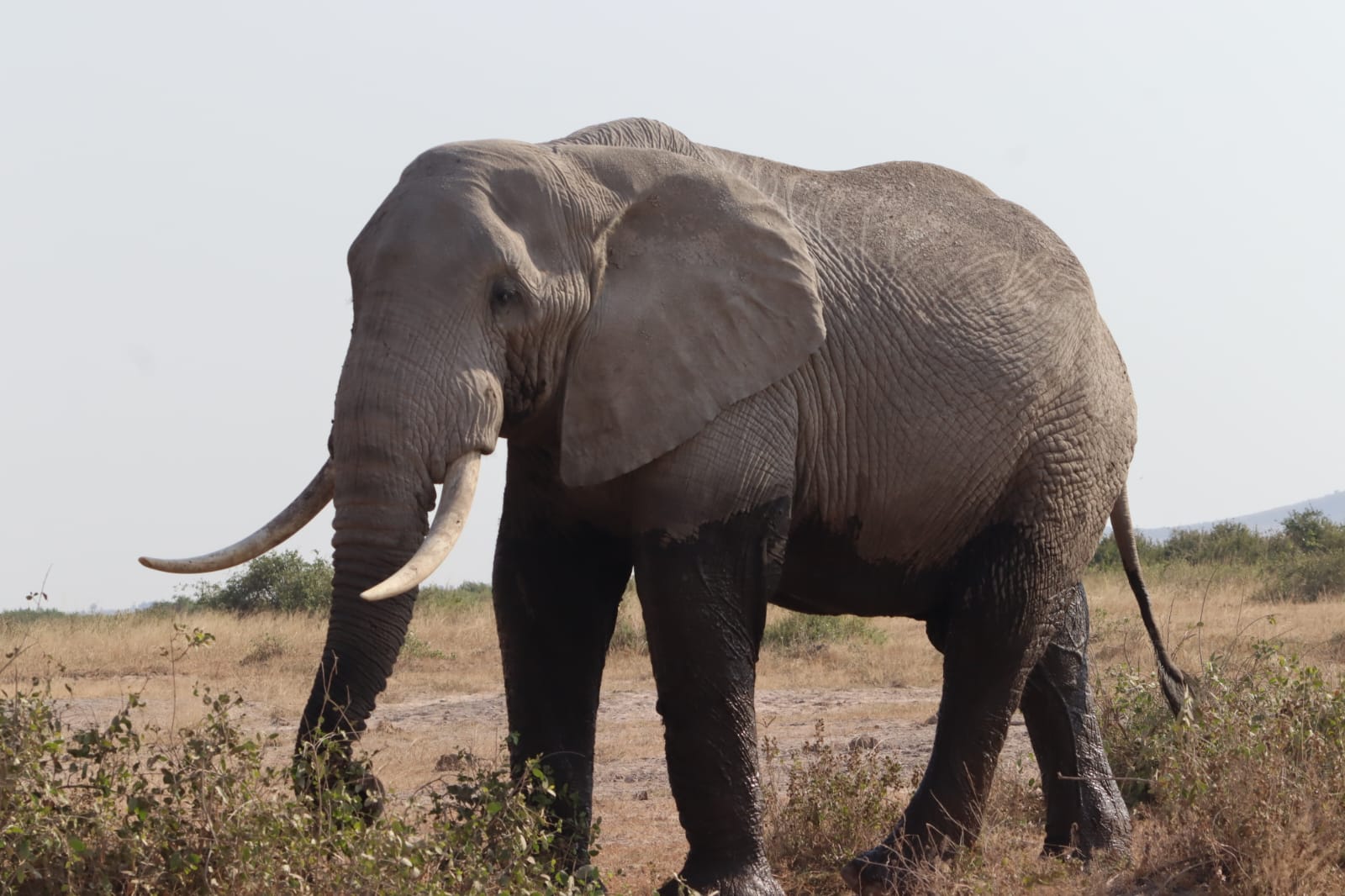
4 Day Amboseli and Nairobi Safari
Short Kenya safari featuring elephants in Amboseli and a cultural day in Nairobi.
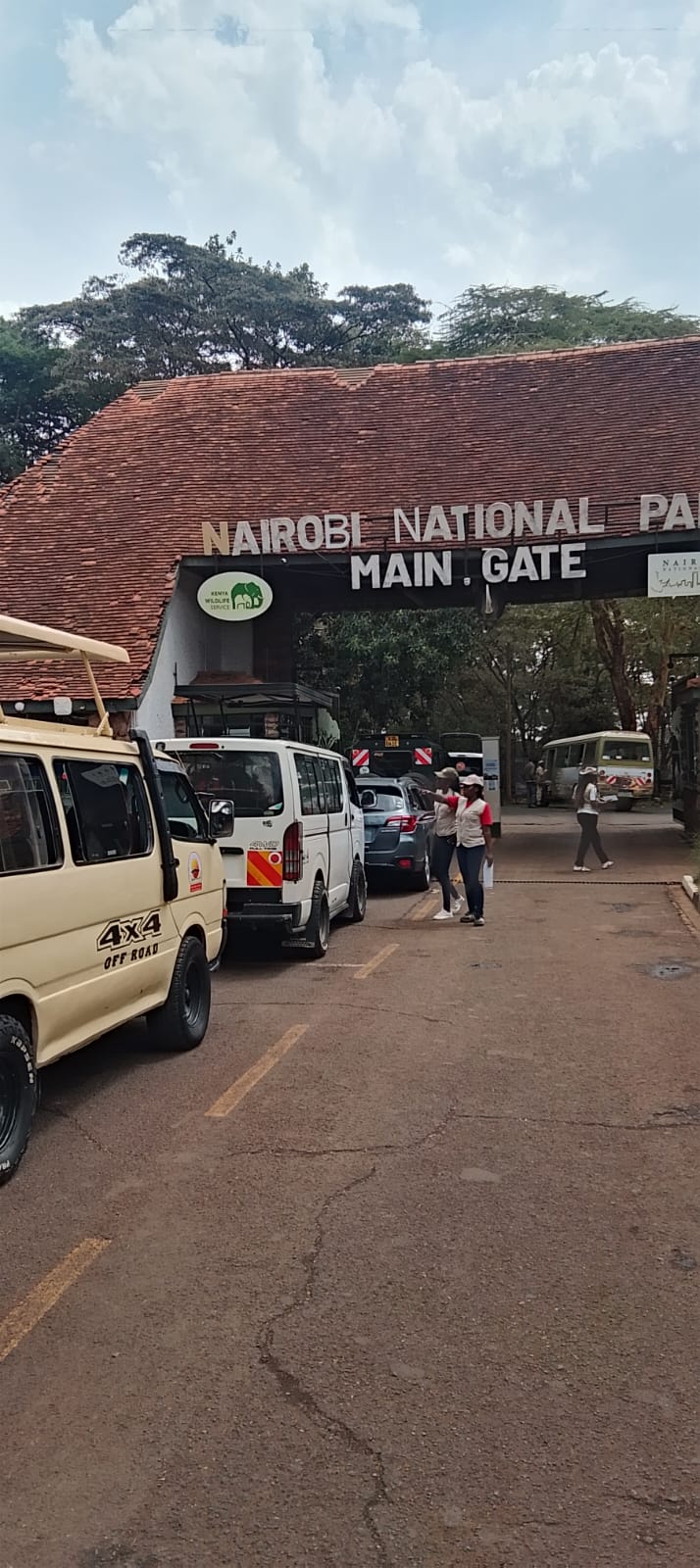
4 Day Nairobi to Maasai Mara Safari Itinerary
A 4-day safari from Nairobi to Maasai Mara featuring game drives, Big Five wildlife viewing, Maasai cultural visit, and top Nairobi attractions including Nai...
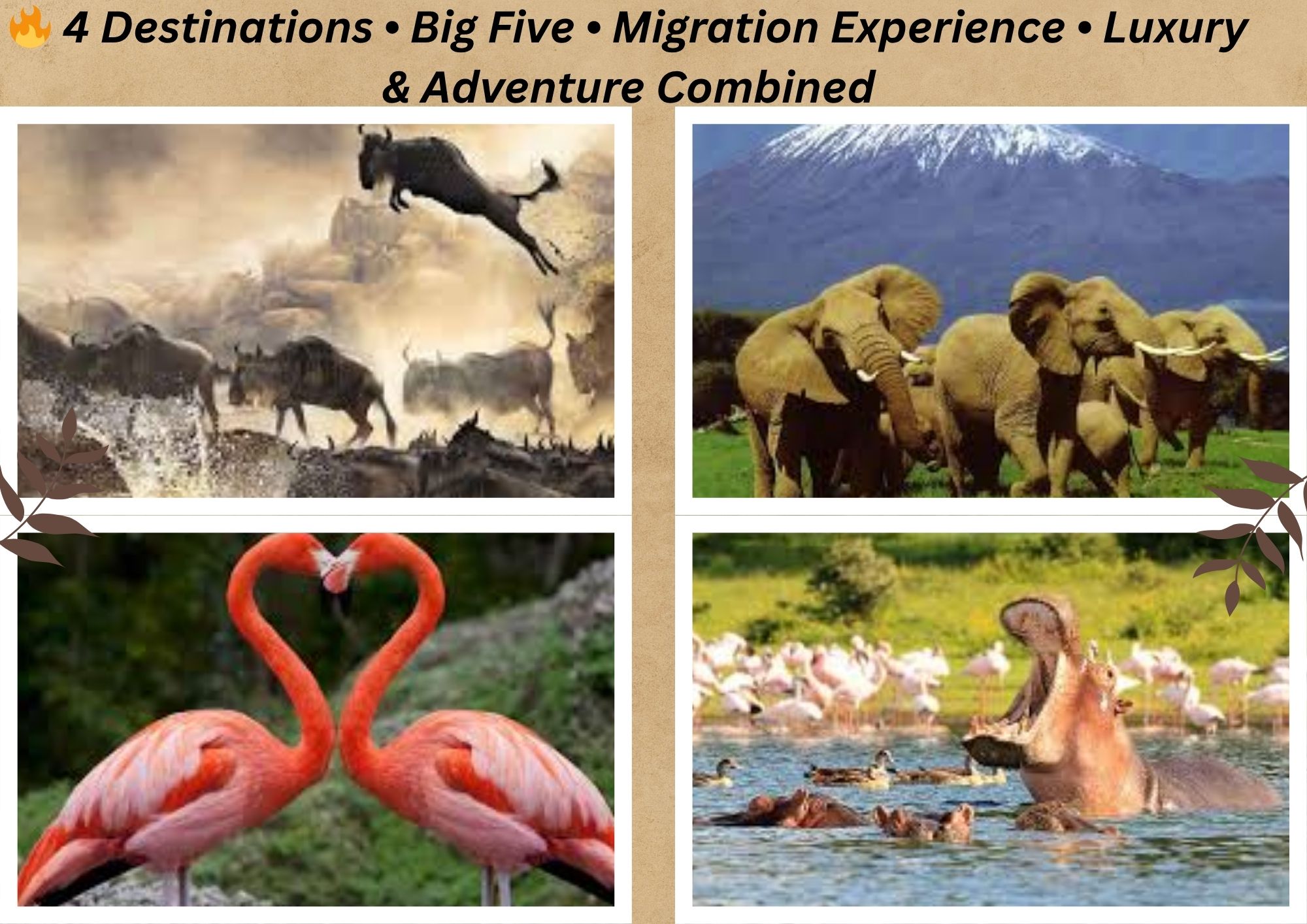
• Big Five • Migration Experience • Luxury & Adventure Combined
Experience an unforgettable 5 days safari through Kenya’s breathtaking northern wilderness. Explore the famous Ol Pejeta Conservancy, home to the last two no...
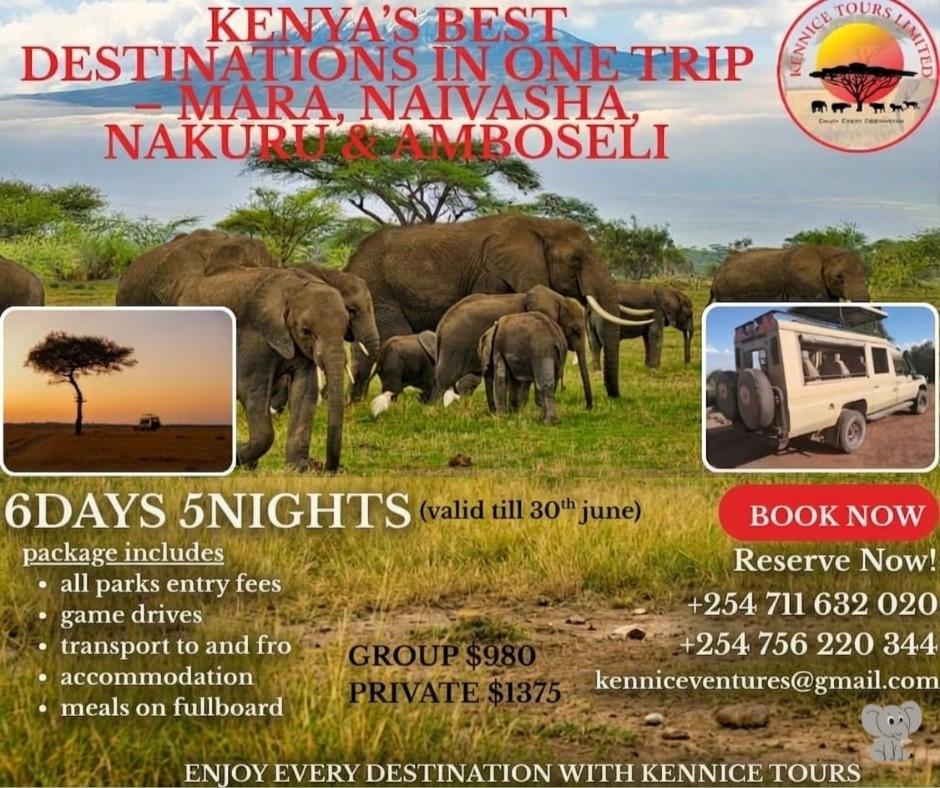
Kenya Classic Safari: Maasai Mara, Lake Naivasha, Lake Nakuru & Amboseli
A complete Kenya safari covering the Maasai Mara, Lake Naivasha, Lake Nakuru, and Amboseli with diverse wildlife and stunning landscapes.
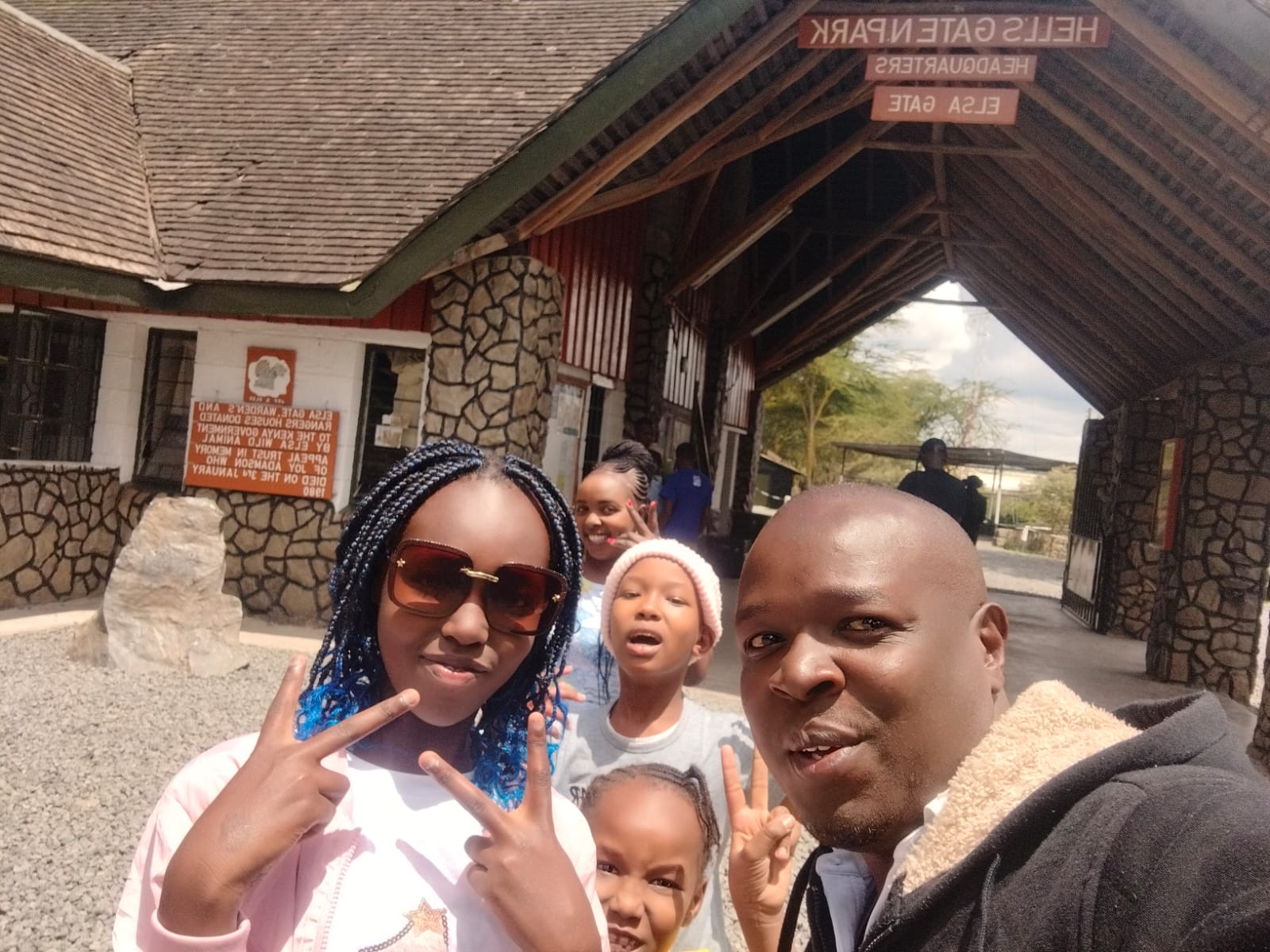
8 Days Nairobi, Naivasha, Nakuru & Maasai Mara Safari
Explore Kenya's top wildlife and nature destinations including Lake Naivasha, Hell's Gate, Lake Nakuru, Maasai Mara, and Nairobi National Park.
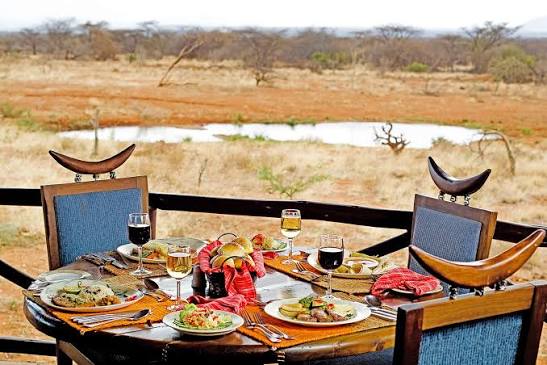
2027 Luxury Kenya Safari Experience – Nairobi, Amboseli & Maasai Mara
A private 9-day luxury Kenya safari combining Nairobi experiences, Amboseli elephants and Kilimanjaro views, Maasai Mara Big Five game drives, cultural encou...
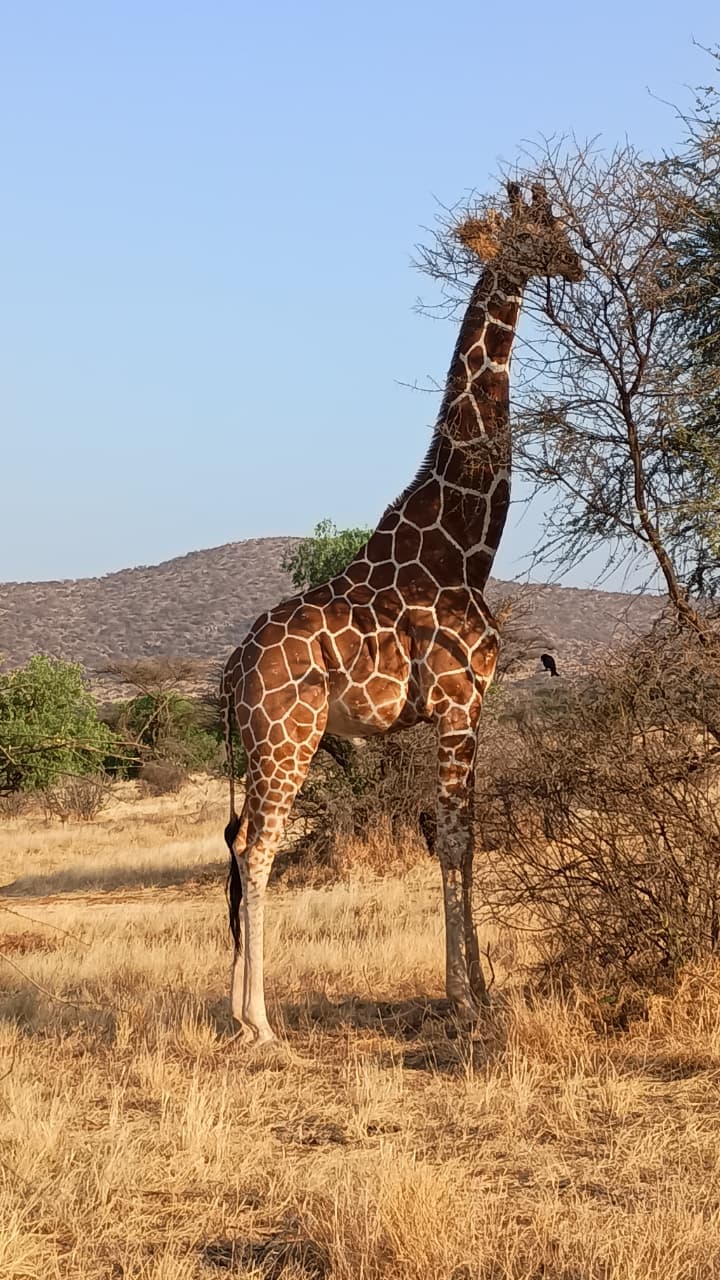
10-Day High-Season Kenya Safari
Discover Kenya's premier wildlife destinations on a 10-day luxury safari through Samburu, Mara Naboisho Conservancy, and the world-famous Masai Mara during t...
11-Day Kenya Wilderness Luxury Safari
An exclusive 11-day luxury safari through Kenya’s premier wildlife destinations, featuring Samburu, Ol Pejeta, Maasai Mara, Amboseli and Tsavo West.
Safari Guides
Useful planning articles related to this destination.