 KENNICE TOURS LIMITED
amboseli-national-park-kenya-safari
Amboseli National Park is one of Kenya’s most iconic safari destinations, famous for its vast elephant herds and breathtaking views of Mount Kilimanjaro. Located in southern Kenya near the Tanzania border, the park offers some of the best photography opportunities in Africa, combining open plains, wetlands, and dramatic mountain backdrops. It is a must-visit for travelers seeking classic safari experiences, rich wildlife encounters, and cultural interactions with the Maasai community.Amboseli National Park is a world-renowned safari destination located in southern Kenya within the Kajiado County region, forming part of the larger Amboseli ecosystem that stretches across the Kenya–Tanzania border. The park is internationally celebrated for its postcard-perfect views of Mount Kilimanjaro, the highest mountain in Africa, which rises majestically across the border in Tanzania. This dramatic backdrop creates one of the most photographed safari scenes on the continent, especially during early mornings when the mountain’s snow-capped peak emerges above the clouds. The journey into Amboseli often begins from Nairobi, passing through semi-arid landscapes, Maasai homesteads, and long stretches of open savannah. As travelers approach the park, the scenery gradually transforms into a mosaic of dusty plains, acacia woodlands, seasonal lakes, and green swamps fed by underground water channels from Kilimanjaro’s melting snow. These wetlands are the lifeline of the ecosystem and support an incredible concentration of wildlife, especially during the dry season when animals gather around the swamps for survival. One of the most remarkable aspects of Amboseli is its unique wildlife viewing experience. Unlike denser parks, Amboseli offers wide open visibility, making it ideal for photography, game drives, and wildlife observation. The park is especially famous for its large elephant herds, many of which are among the most studied in the world. These elephants are known for their impressive tusks and relaxed behavior around vehicles, allowing visitors to observe natural interactions at very close range under the guidance of experienced safari guides. Beyond elephants, Amboseli offers a rich safari experience with lions, cheetahs, leopards (though rarely seen), buffaloes, zebras, giraffes, hyenas, and numerous antelope species such as impalas and gazelles. Birdlife is also abundant, with over 400 recorded species thriving in the wetlands and grasslands. Flamingos, herons, kingfishers, and raptors add vibrant life to the park’s diverse habitats. Culturally, Amboseli is deeply connected to the Maasai people, who live in surrounding communities and continue to practice traditional pastoral lifestyles. Visitors often have the opportunity to engage with Maasai culture through guided village visits, learning about their customs, beadwork, and semi-nomadic way of life. This cultural interaction adds depth to the safari experience, offering insight into how human life and wildlife coexist in this fragile ecosystem. Amboseli is not only about wildlife viewing but also about atmosphere and experience. The early morning game drives are magical, with golden light spreading across the plains as elephants walk slowly in silhouette against Mount Kilimanjaro. Midday heat brings animals closer to water sources, while evenings offer dramatic sunsets that paint the sky in shades of orange, red, and purple. Night skies in Amboseli are equally spectacular, with minimal light pollution allowing for clear stargazing. The park’s infrastructure supports both luxury and budget safari experiences. Visitors can stay in lodges, tented camps, or eco-camps located just outside or inside the park boundaries. Each accommodation option provides a different level of immersion into the wilderness, from high-end comfort lodges to more rustic bush camps where the sounds of nature dominate the night. Amboseli also plays an important role in conservation. The ecosystem is sensitive to climate change, water flow from Kilimanjaro, and human-wildlife conflict. Conservation organizations and park authorities work closely with local communities to ensure sustainable tourism practices and wildlife protection. Elephant research in Amboseli has contributed significantly to global understanding of elephant behavior and social structures. For travelers, Amboseli is more than just a destination—it is an immersive encounter with Africa’s raw beauty, wildlife richness, and cultural heritage. The combination of vast landscapes, iconic mountain views, and close-up wildlife encounters makes it one of the most unforgettable safari experiences in Kenya.
Wildlife and highlights
Amboseli is best known for its elephant population, which is among the most iconic in Africa. These elephants are often seen moving in large herds across the open plains or bathing in swampy wetlands. Visitors can easily observe them during game drives, especially in the morning and late afternoon when they are most active.
Lions are present in the park and are often found resting in grasslands or hunting in the cooler hours of the day. While they are not always easy to spot, experienced guides know key areas where prides tend to move. Cheetahs are also present and are frequently seen in open hunting zones where visibility is high.
Buffaloes, zebras, wildebeests, giraffes, and antelopes form the backbone of the herbivore population, supporting the predator ecosystem. The wetlands attract hippos and a wide variety of waterbirds, making the swamp areas particularly lively.
Birdwatching is exceptional, with species such as pelicans, crowned cranes, kingfishers, and secretary birds commonly seen across different habitats. The diversity of ecosystems within the park ensures year-round wildlife activity.
Best time to visit
he best time to visit Amboseli National Park is during the dry seasons, which typically run from June to October and January to February. During these months, wildlife viewing is at its peak because animals gather around the swamps and water sources, making them easier to spot. The vegetation is also thinner, improving visibility for photography and game drives.
The wet seasons, from March to May and November to December, transform the park into a lush green landscape. While wildlife can be more dispersed, this is the best time for birdwatching and capturing dramatic skies and vibrant scenery. Mount Kilimanjaro is also more likely to be visible early in the morning after rainfall clears the air.
Travel tips
Pack light, breathable clothing for daytime and warm layers for early morning game drives, as temperatures can drop significantly. Neutral-colored clothing is recommended to blend into the environment and avoid attracting insects.
Carry sunscreen, sunglasses, and a hat due to strong sun exposure in open savannah areas. A good camera with zoom capability is essential for capturing wildlife at a distance, especially elephants and big cats.
Always book game drives with licensed guides who understand animal behavior and park routes. Early morning and late afternoon drives offer the best wildlife activity and lighting conditions. Stay hydrated and carry reusable water bottles. Avoid feeding wildlife and maintain safe distances at all times to protect both visitors and animals.
Recommended tours
Tour ideas that pair well with this destination.
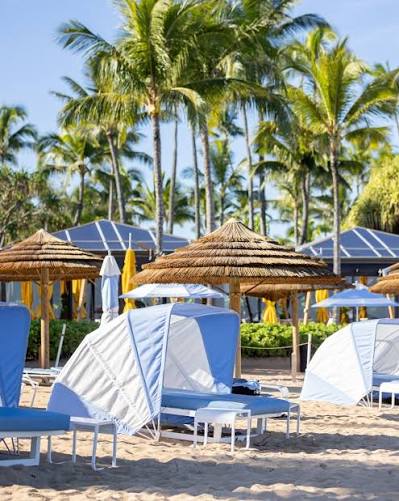
18 Days Ultimate Kenya Wildlife & Beach Safari
Experience Kenya's finest wildlife reserves, the Great Rift Valley, iconic Big Five safaris, and finish with a relaxing Indian Ocean beach holiday in Watamu.
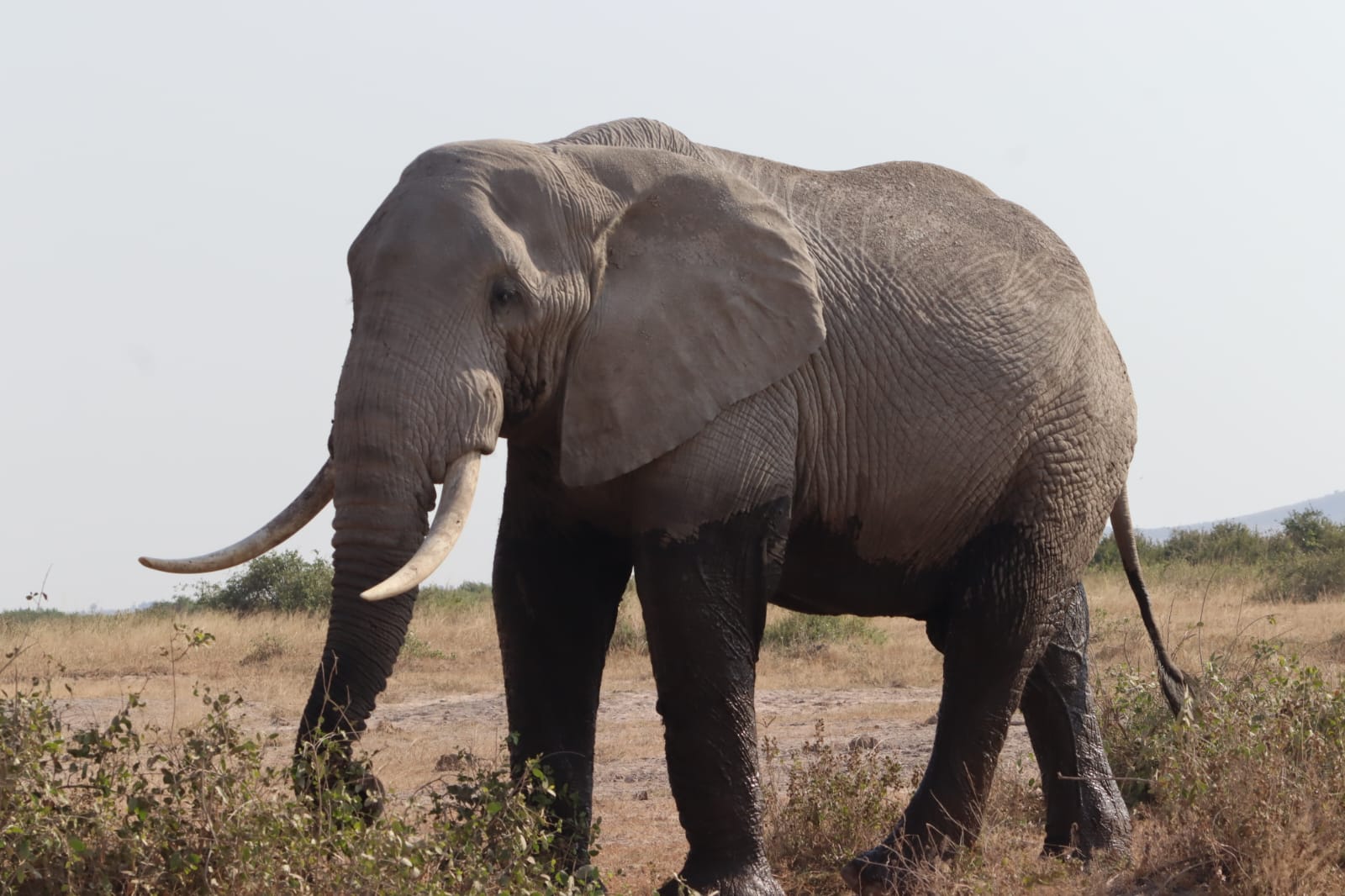
4 Day Amboseli and Nairobi Safari
Short Kenya safari featuring elephants in Amboseli and a cultural day in Nairobi.
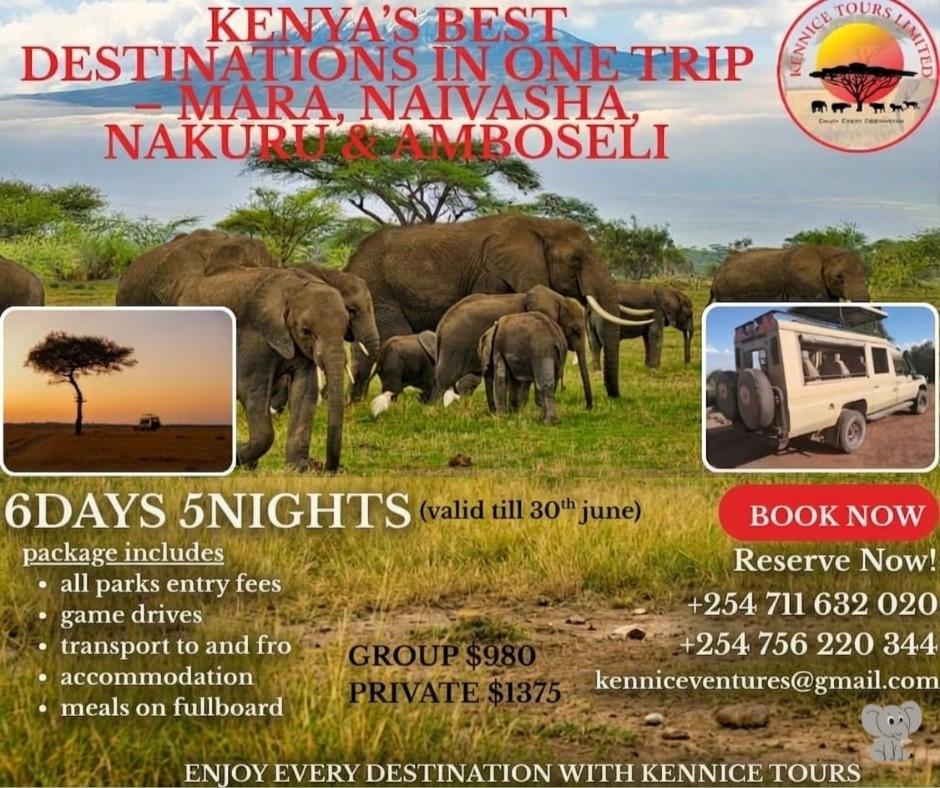
Kenya Classic Safari: Maasai Mara, Lake Naivasha, Lake Nakuru & Amboseli
A complete Kenya safari covering the Maasai Mara, Lake Naivasha, Lake Nakuru, and Amboseli with diverse wildlife and stunning landscapes.
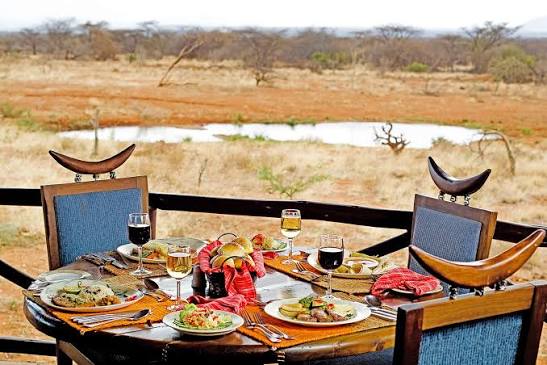
2027 Luxury Kenya Safari Experience – Nairobi, Amboseli & Maasai Mara
A private 9-day luxury Kenya safari combining Nairobi experiences, Amboseli elephants and Kilimanjaro views, Maasai Mara Big Five game drives, cultural encou...
11-Day Kenya Wilderness Luxury Safari
An exclusive 11-day luxury safari through Kenya’s premier wildlife destinations, featuring Samburu, Ol Pejeta, Maasai Mara, Amboseli and Tsavo West.
Safari Guides
Useful planning articles related to this destination.